
Data-driven bathroom fixture reviews
Bathroom fixture reviews researched with context.
BathFixturesReviews.com analyzes faucets, shower systems, toilets, sinks, touchless products, commercial restroom fixtures, hospitality bathroom systems, and emerging technologies through technical documentation, aggregated consumer feedback, brand research, water-efficiency information, installation considerations, and long-term ownership factors.
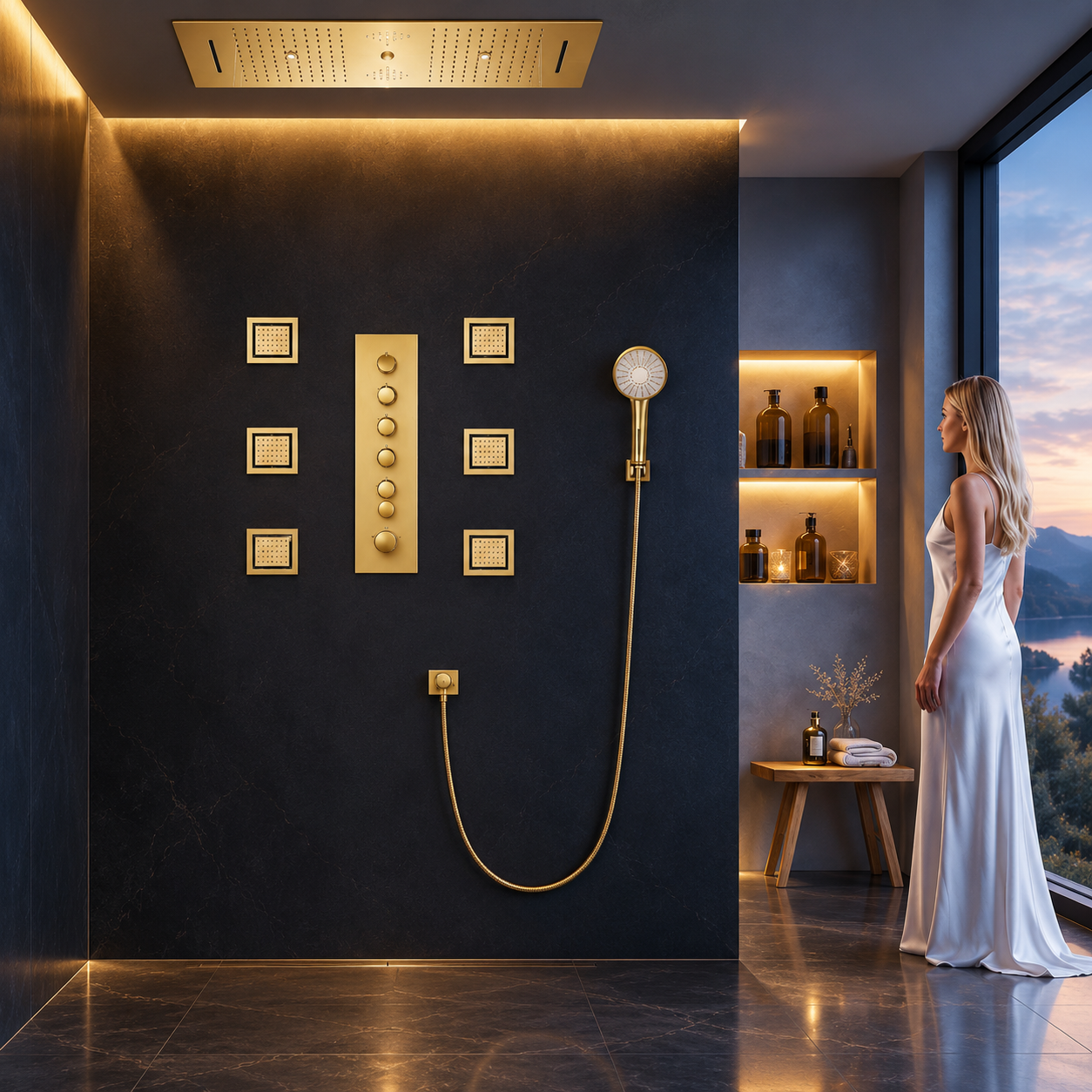

Compare the product, the technology, and the ownership experience.
Useful fixture reviews connect build quality, performance, installation, efficiency, design fit, maintenance, consumer feedback, warranty context, and lifecycle value instead of judging a product by appearance alone.
About the platform
Independent bathroom fixture research for smarter product decisions.
BathFixturesReviews.com is a research-focused platform for homeowners, designers, architects, contractors, facility managers, hospitality teams, procurement groups, and building owners comparing bathroom products across residential and commercial environments.
Bathroom fixture reviews beyond ratings and product photos.
The platform organizes technical specifications, aggregated consumer feedback, industry documentation, brand information, installation requirements, water-efficiency data, maintenance considerations, and project context. The goal is to help readers evaluate how faucets, showers, toilets, sinks, touchless systems, and commercial restroom fixtures may perform over the full ownership cycle.


Build Quality + Materials
Body construction, valve design, cartridges, finishes, corrosion resistance, surface durability, hardware quality, and the serviceability of critical components.
Performance + Usability
Water flow, spray quality, sensor response, flushing performance, temperature stability, pressure compatibility, comfort, accessibility, and real-use behavior.
Efficiency + Technology
WaterSense context, low-flow engineering, touchless activation, smart controls, digital showering, automatic shutoff, monitoring, and connected bathroom functions.
Maintenance + Value
Cleaning needs, replacement parts, batteries or power supplies, cartridge service, refill access, warranties, downtime, lifecycle cost, and long-term ownership planning.
Review lens
Practical lenses for evaluating bathroom fixtures with more context.
A useful review combines product construction, daily performance, installation demands, water and energy implications, maintenance realities, design suitability, customer experience, and total value rather than relying on a single rating.


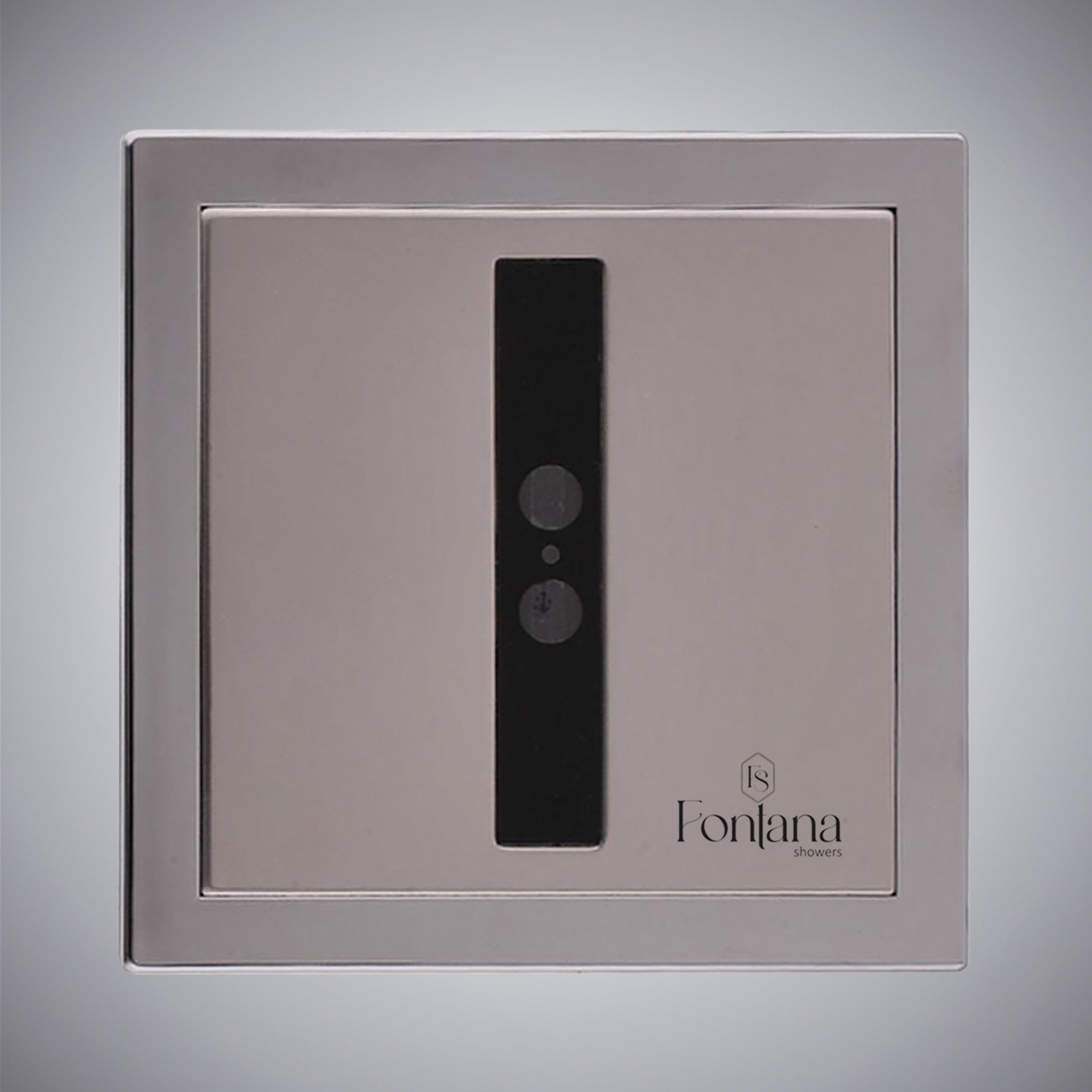


Fixture categories
Bathroom products and project contexts covered by the review platform.
BathFixturesReviews.com covers fixture categories ranging from everyday residential products to smart bathroom systems and high-traffic commercial restroom equipment, with attention to both product-level details and real project conditions.


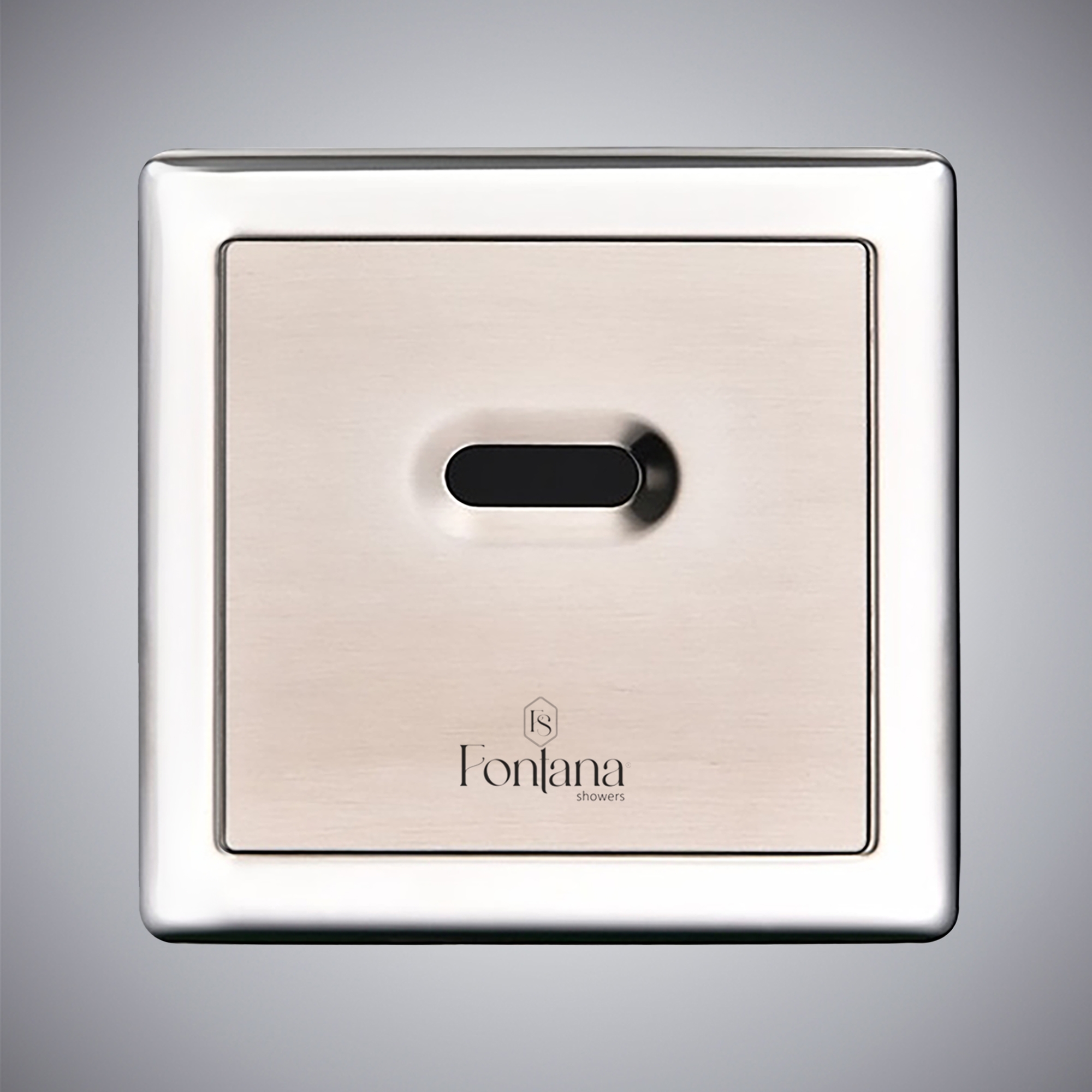


Specification + ownership context
How to compare bathroom fixtures before specification, purchase, and long-term use.
A strong fixture review should help readers move from product-page information to project-level decisions. That means checking compatibility, installation conditions, operating requirements, service access, water use, and the people responsible for maintaining the fixture after installation.
Bathroom fixtures are rarely isolated products. Faucets depend on basin geometry, supply conditions, flow controls, valves, power sources, sensors, drains, and access below the deck. Shower systems depend on pressure, hot-water capacity, rough-in depth, waterproofing, valve placement, outlet coordination, and maintenance access. Toilets and flush valves depend on compatible carriers or supplies, flushing volume, user traffic, cleaning routines, and parts availability. Looking at these relationships early makes product comparisons more useful and reduces the chance that a visually suitable fixture becomes difficult to install, operate, or maintain.
Installation conditions can change the meaning of a product specification.
Dimensions, connection sizes, mounting type, rough-in depth, deck thickness, wall construction, clearance requirements, and access zones should be reviewed together. A compact faucet may still require substantial below-counter space for hoses, mixing components, a sensor control box, or a transformer. A shower trim set may appear simple at the finished wall while depending on concealed valves, branches, waterproofing penetrations, and coordinated blocking.
For commercial touchless fixtures, the power strategy is especially important because retrofit conditions and new construction often favor different approaches. The article Battery vs Hardwired Touchless Faucets adds context on electrical coordination, battery service, maintenance labor, and restroom uptime.
Water efficiency should be evaluated with performance and application together.
Lower water use can support conservation goals, but flow rate or flush volume should not be read without considering the fixture type and the intended environment. Lavatory faucets, public sensor faucets, showers, toilets, and flush valves perform different functions and are evaluated under different operating conditions. Pressure, aeration, spray pattern, rinse quality, bowl performance, user expectations, and local code requirements can all influence whether an efficiency target is practical.
The EPA WaterSense Bathroom Fixtures guide can be used as a companion resource when comparing labeled products with project-specific plumbing conditions, maintenance needs, and real daily use.
Serviceability deserves the same attention as initial product features.
Maintenance planning is easier when filters, cartridges, batteries, transformers, solenoids, sensors, valves, and shutoffs remain accessible after finishes are complete. For facility teams, the practical questions are often straightforward: Can a technician isolate one fixture without closing an entire restroom? Are wear parts available? Can the sensor or control module be reached without removing millwork? Are cleaning chemicals compatible with the finish? Is there enough clearance to inspect or replace a component?
These questions matter in residential projects as well, but they become more significant in hotels, airports, schools, offices, healthcare environments, and public facilities where downtime affects many users and where maintenance labor is part of the ownership cost.
Smart features are most useful when they solve a clear user or operations need.
Digital displays, presets, app controls, touchless activation, thermostatic mixing, programmable showering, automatic shutoff, and connected functions can add convenience, but they also introduce power, setup, service, and compatibility considerations. A useful review should distinguish a feature that improves control or maintenance from one that mainly adds interface complexity.
For connected shower planning, Smart Shower Systems Explained provides additional context on digital controls, thermostatic management, multiple outlets, connectivity, and the installation requirements that sit behind the finished user experience.
Current review pathways
From digital showers to commercial touchless systems and fixture comparisons.
Explore current BathFixturesReviews.com articles covering product comparisons, smart bathroom technology, commercial restroom systems, WaterSense context, power strategy, luxury hospitality showers, and long-term fixture value.
Review index

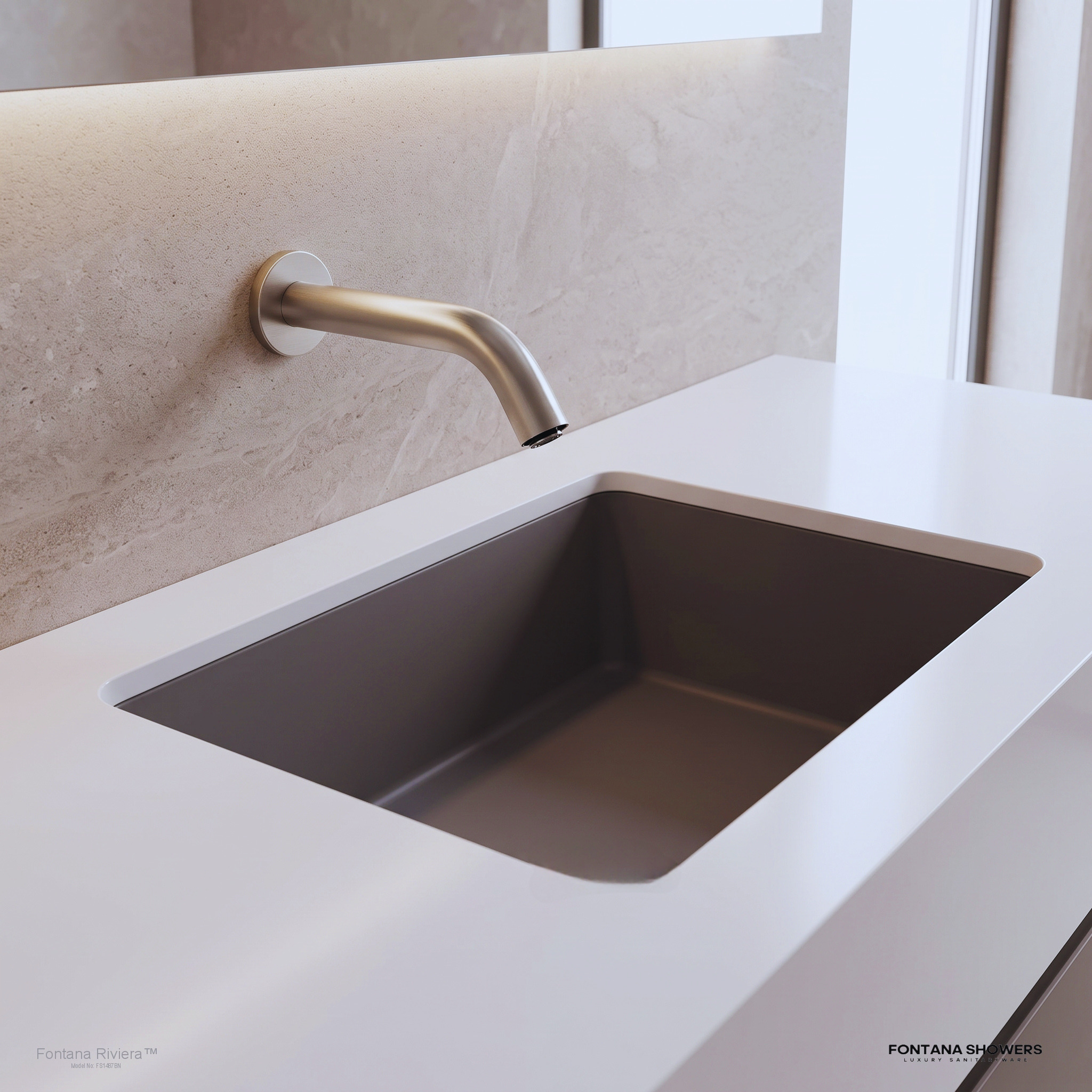


Review framework
Turn product claims into a practical bathroom fixture evaluation.
Review the fixture as part of a complete system: construction, performance, installation, efficiency, user experience, maintenance, documentation, warranty context, and long-term value should support the actual project rather than exist as isolated marketing features.
Product Evidence
Start with model-level specifications, materials, valve or sensor architecture, dimensions, flow or flush data, certifications, warranty information, installation instructions, and manufacturer documentation.
Application Fit
Check whether the fixture suits the bathroom type, user group, traffic level, sink or shower geometry, water pressure, hot-water capacity, power availability, accessibility goals, and design requirements.
Real-World Performance
Consider consumer feedback and field context alongside technical claims, looking for patterns around usability, finish quality, sensing, flow, flushing, temperature control, cleaning, noise, reliability, and support.
Ownership Value
Compare purchase cost with installation complexity, water or energy savings, parts availability, cleaning labor, service access, downtime risk, warranty coverage, expected durability, and replacement planning.
Review studies
Study materials, performance, technology, efficiency, installation, maintenance, and value.
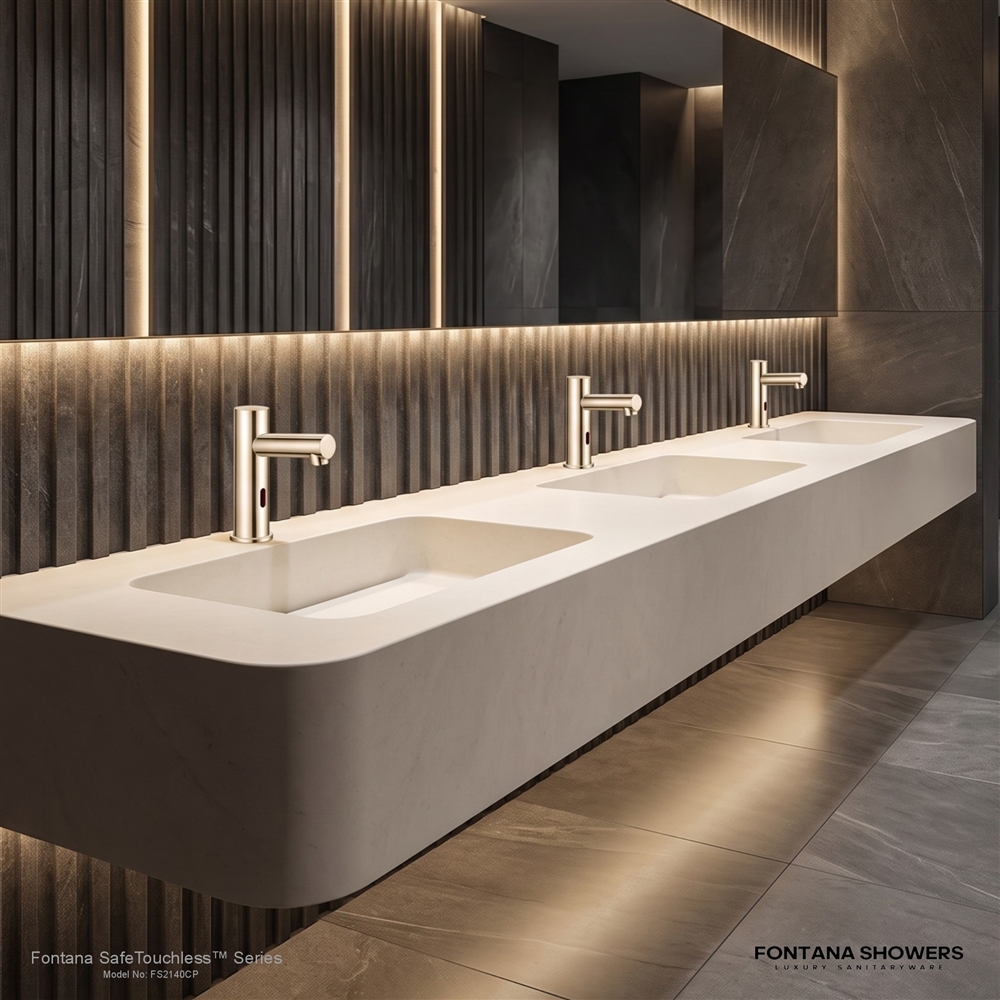
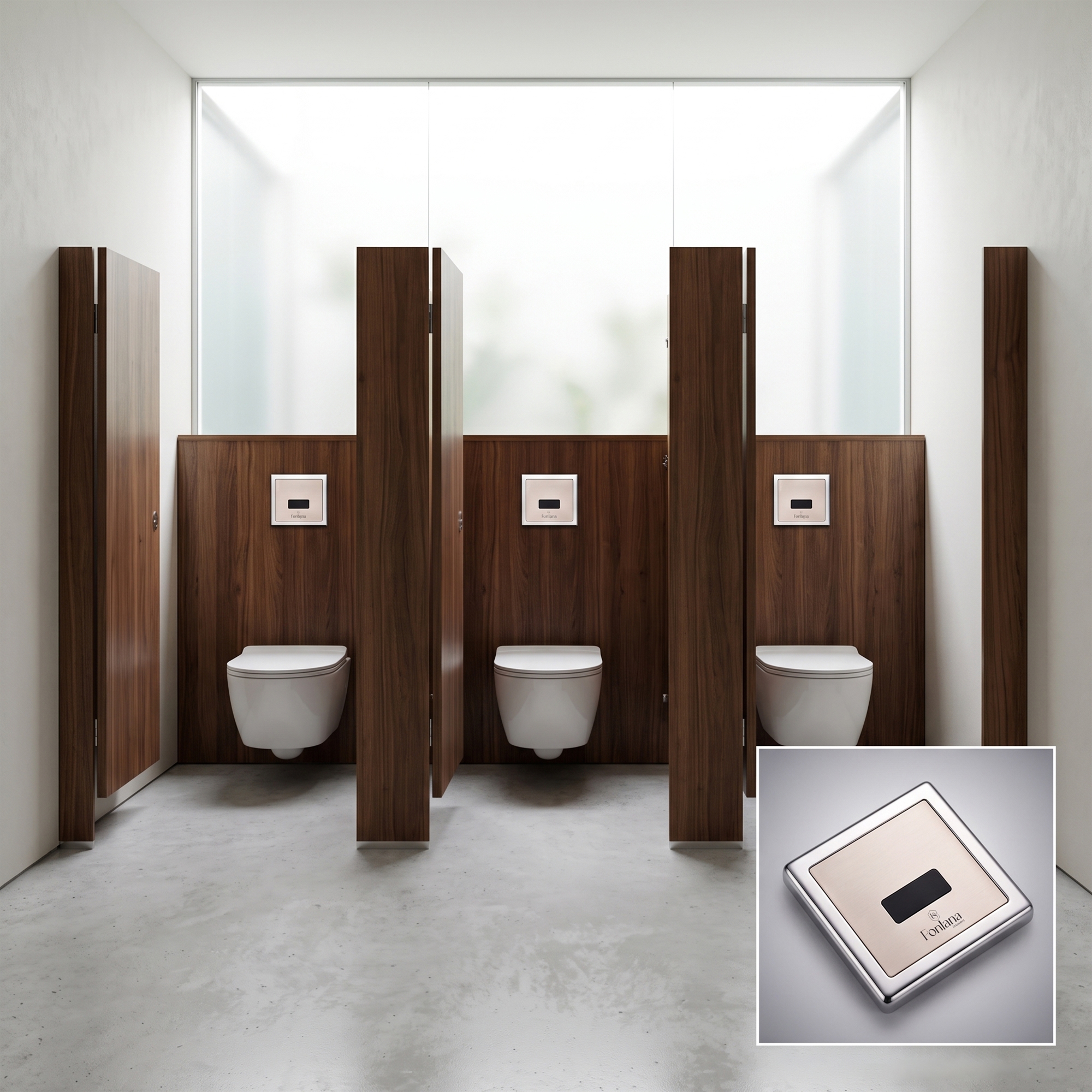
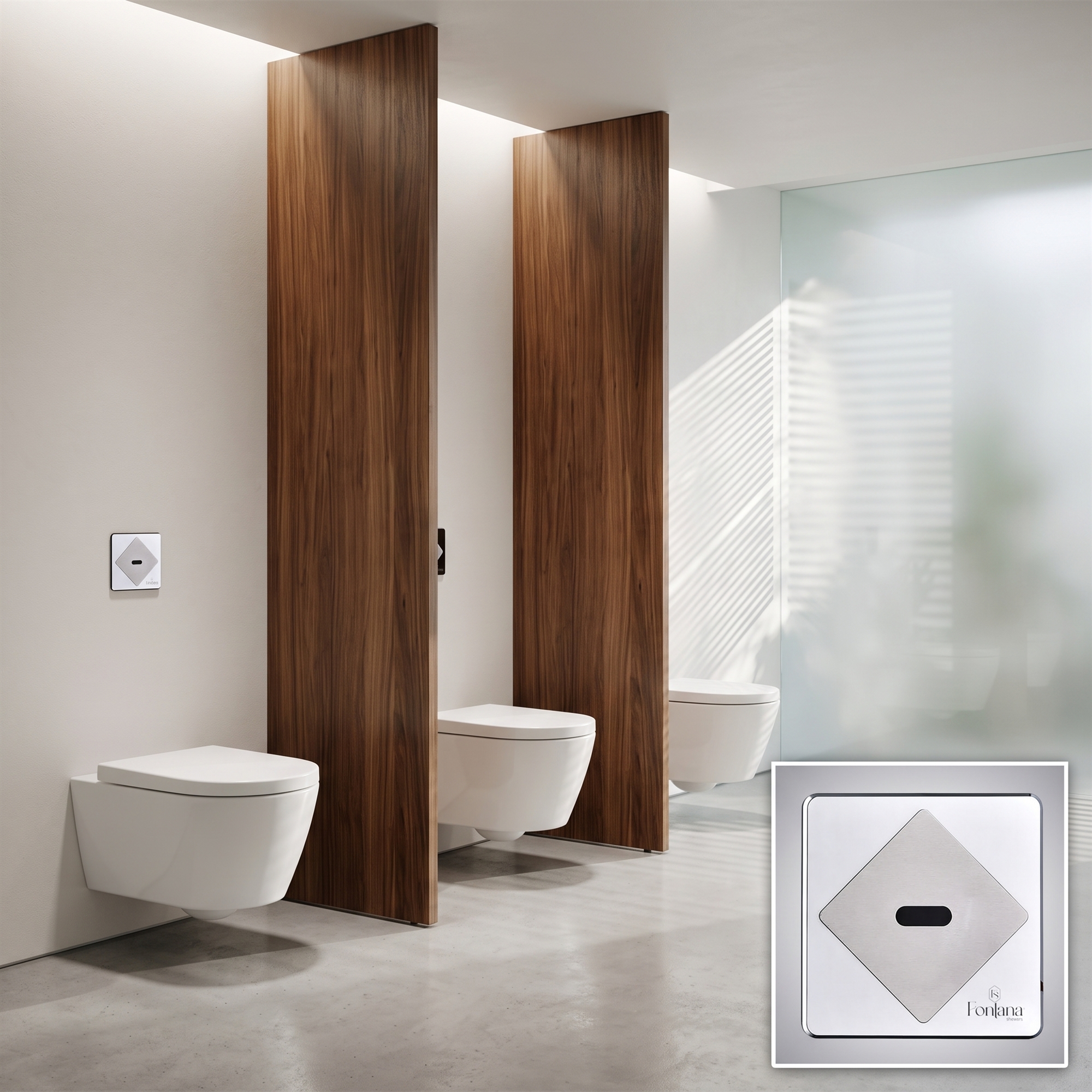
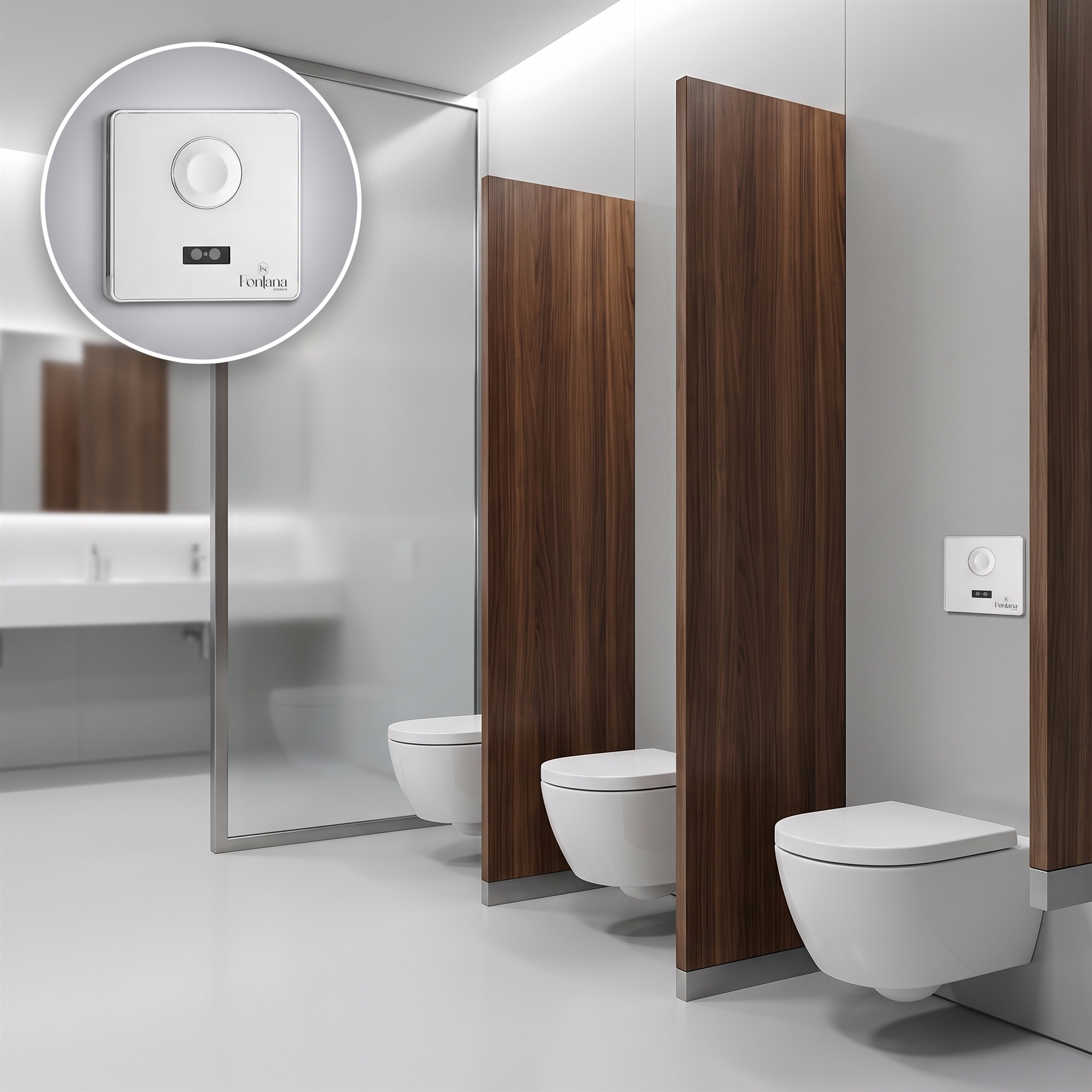
Select a review topic to promote it to the main stage. This visual index mirrors the practical questions BathFixturesReviews.com uses to move beyond generic product lists and toward more useful fixture evaluation.
Materials, construction, specifications, and documented product quality
Field notes
Fixture questions change with the bathroom environment.
The best product choice depends on who uses the bathroom, how often it is used, how it is cleaned, the plumbing and electrical conditions, water-efficiency goals, design expectations, accessibility needs, and the maintenance resources available after installation.

Comfort, design, water use, installation, and easy ownership should work together.
Residential fixture reviews should consider household use, bathroom size, water pressure, hot-water capacity, DIY or professional installation, finish care, cleaning, replacement parts, warranty support, and long-term reliability.

Guest experience must be supported by temperature control, durability, cleaning, and service access.
Hotel and resort bathrooms benefit from fixtures that align with the brand aesthetic while also supporting consistent operation, water efficiency, intuitive controls, maintenance access, spare parts, housekeeping routines, and fast recovery from service issues.

High traffic raises the importance of hygiene, uptime, water control, and maintainability.
Airports, healthcare facilities, schools, offices, restaurants, stadiums, and public buildings often prioritize sensor reliability, vandal resistance, water use, accessibility, standardized parts, power continuity, cleaning access, and rapid maintenance.
Resources
Bathroom fixture reviews, comparisons, technology research, and buying guidance.
Explore research on faucets, shower systems, toilets, sinks, touchless products, commercial restroom fixtures, smart bathroom technology, WaterSense context, installation, maintenance, brand comparisons, hospitality applications, and long-term product value.
Technical + Consumer Context
Manufacturer documentation, technical specifications, aggregated consumer feedback, industry references, installation requirements, and ownership factors.

Smart + Efficient Bathrooms
Touchless sensing, digital showers, thermostatic control, smart toilets, water efficiency, hygiene systems, connected fixtures, and building integration.

Research & editorial inquiry
Bath Fixtures Reviews.
Independent Bathroom Fixture Research & Review Hub
Share a fixture research question, suggest a comparison topic, identify technical documentation, provide field observations, or contact the editorial team about bathroom fixture technologies, brands, product performance, and industry trends.