Technology and Innovation
Exploring the Technologies Transforming Modern Bathroom Fixtures
The bathroom fixture industry has experienced significant technological advancement over the past two decades. What were once purely mechanical plumbing components have evolved into sophisticated systems incorporating sensor technology, digital controls, water efficiency engineering, antimicrobial materials, and smart connectivity.
These innovations are shaping how bathrooms function in both residential homes and commercial facilities, improving hygiene, water conservation, durability, and user experience.
The Technology & Innovation section of BathFixturesReviews.com examines these developments through research-based analysis, technical documentation, and real-world product studies.
Why Technology Matters in Bathroom Fixtures
Bathroom fixtures are among the most frequently used systems in buildings. A typical commercial restroom faucet may be used hundreds of times per day, while residential fixtures operate continuously over many years.
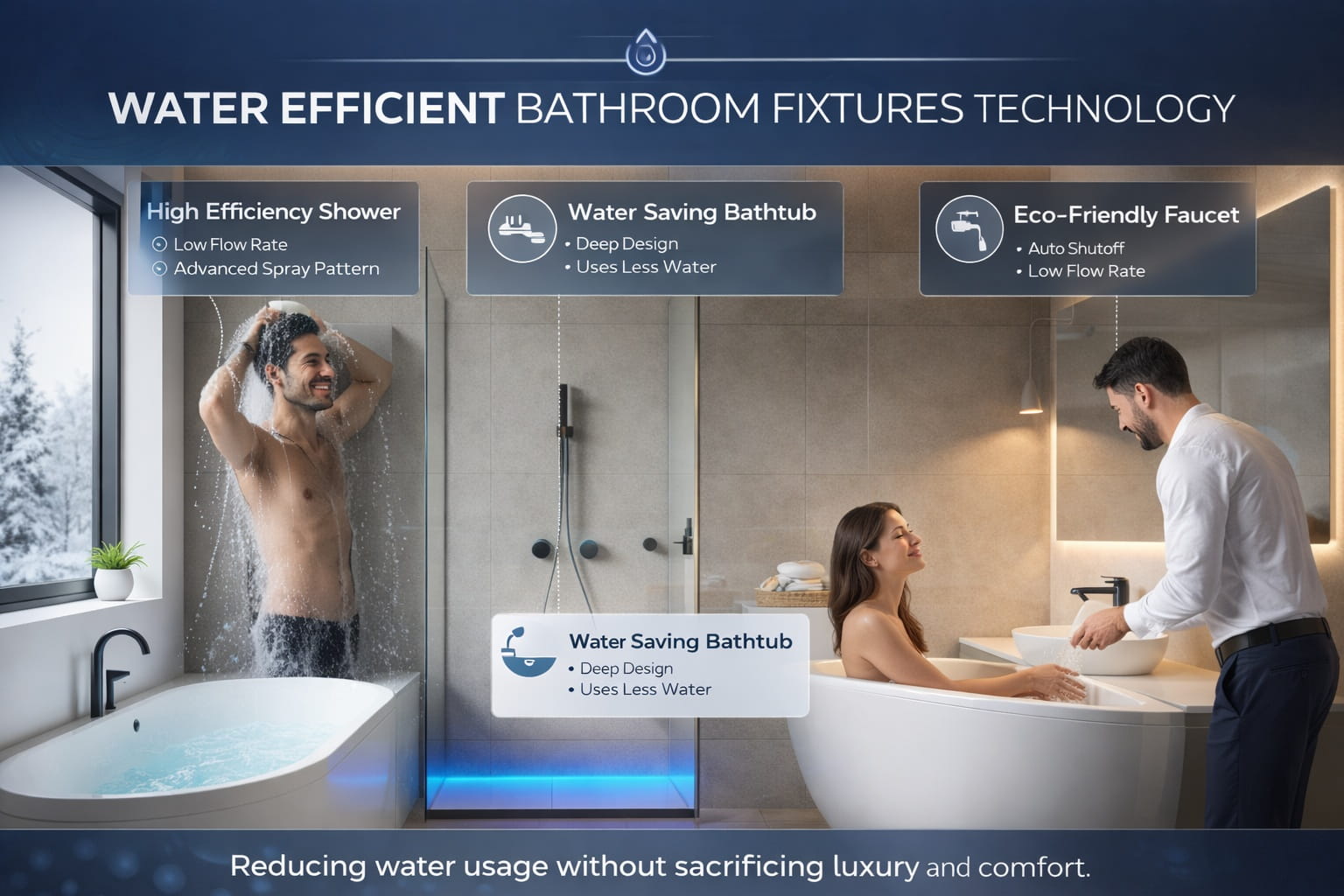
Technological improvements in bathroom fixtures aim to address several key challenges including improving hygiene in public environments, reducing water consumption, enhancing durability, simplifying maintenance, and improving accessibility.
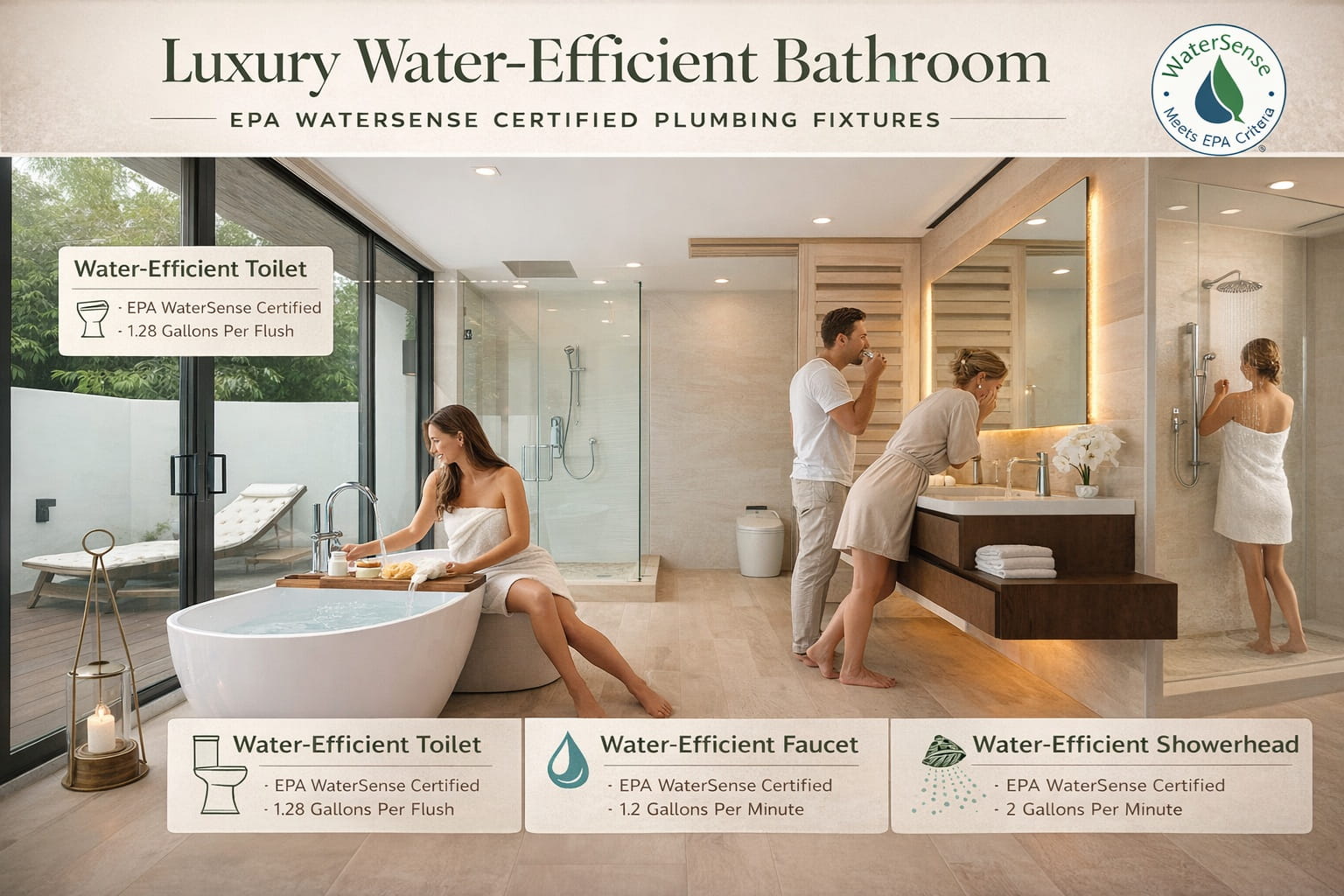
Organizations such as the U.S. Environmental Protection Agency (EPA) promote water-efficient fixtures through initiatives like the WaterSense Program.
EPA WaterSense
WaterSense-certified fixtures can reduce water usage while maintaining functional performance.
Sensor and Touchless Technology
Hands-Free Bathroom Fixtures
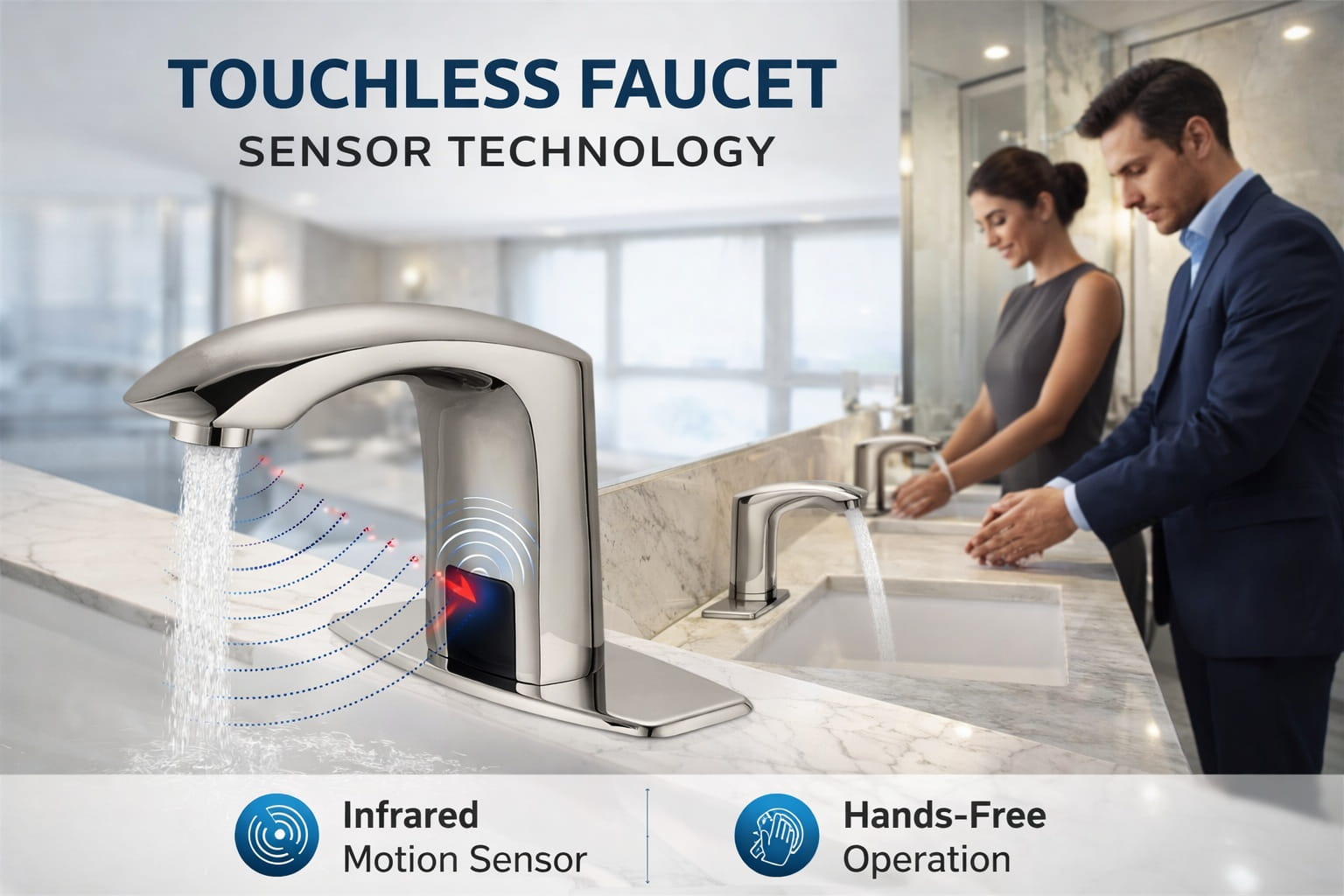
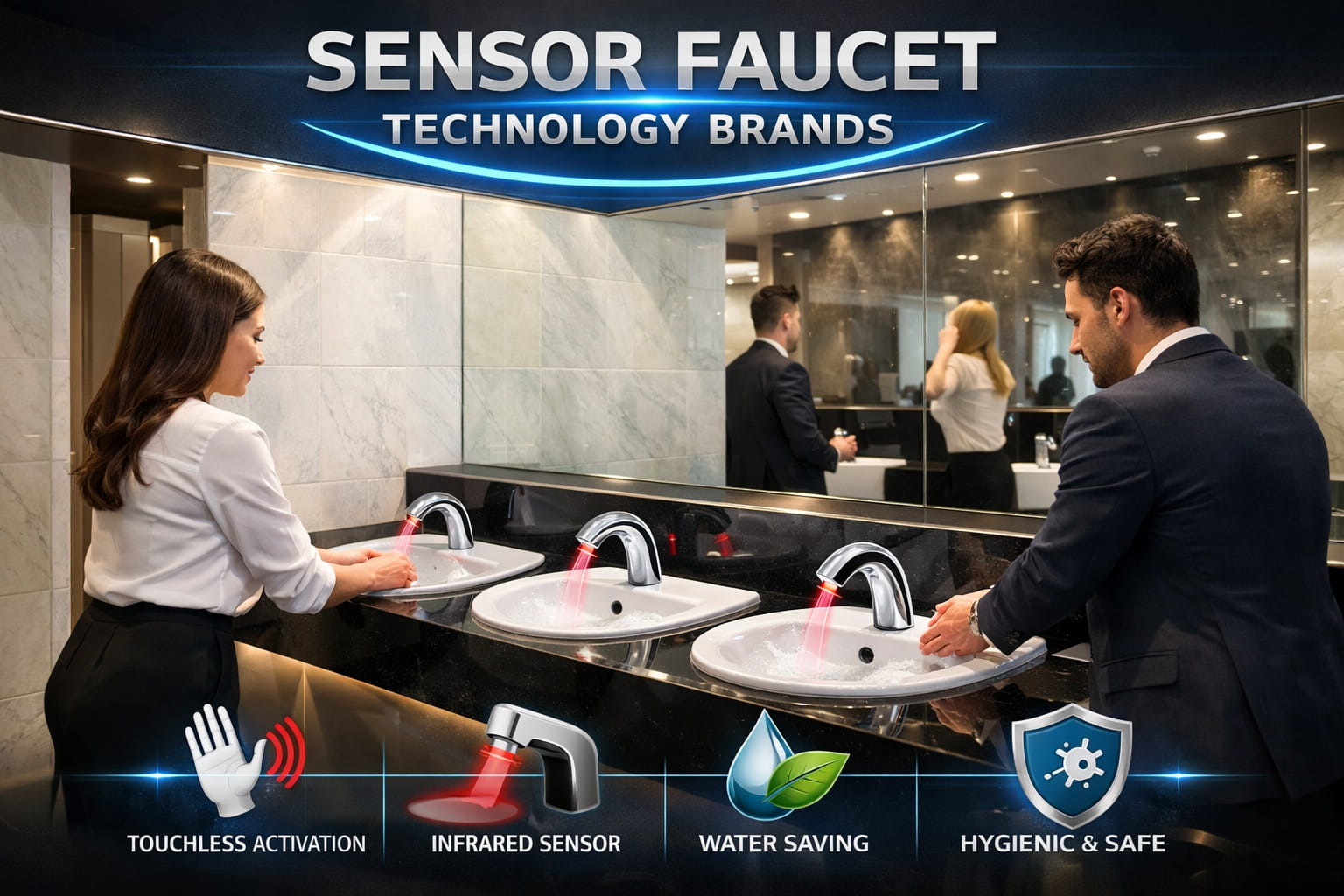
Touchless systems use infrared or proximity sensors to detect user movement and automatically activate water flow or soap dispensing.
Common touchless products include sensor faucets, automatic soap dispensers, touchless flush valves, and automatic hand dryers.
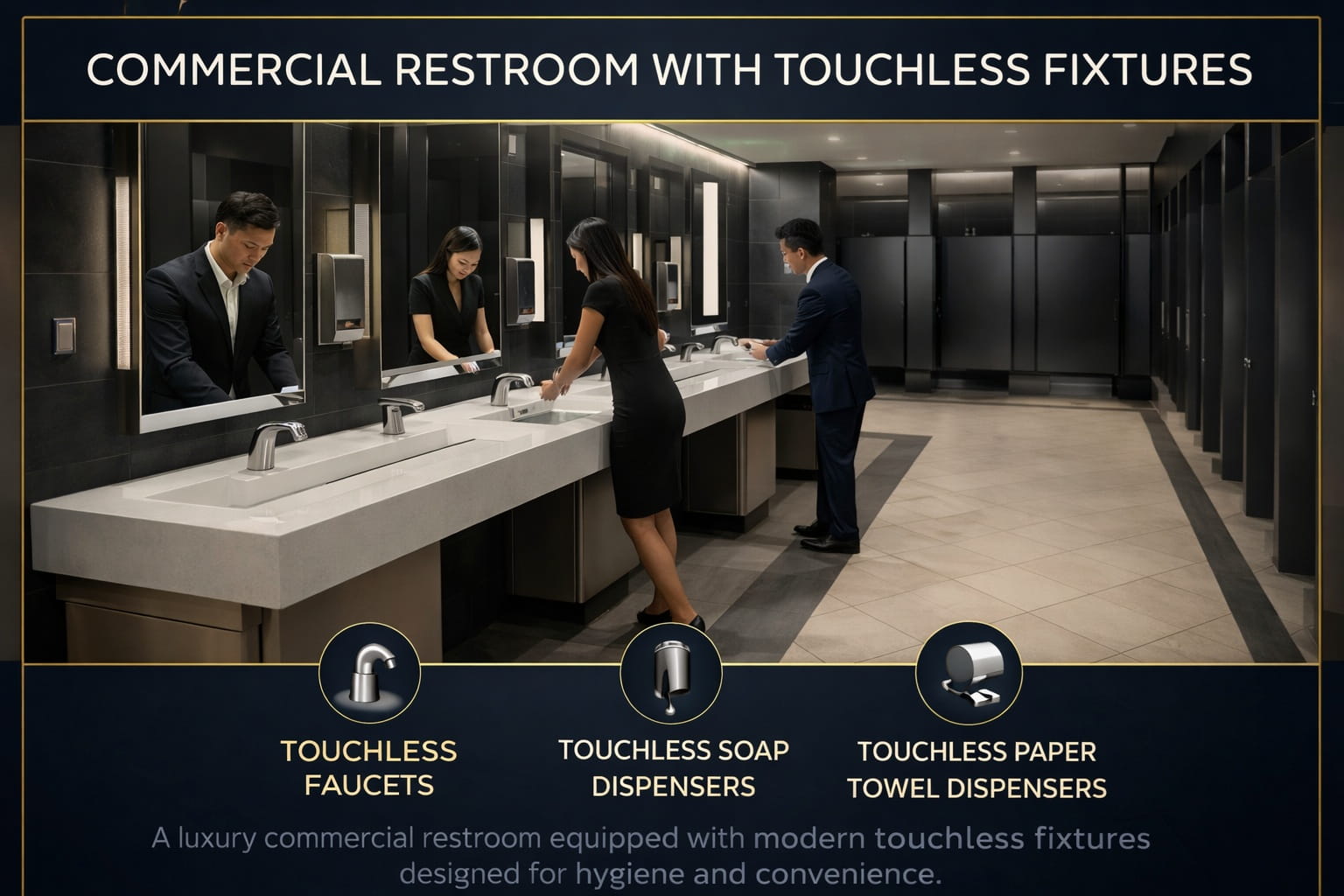
Touchless fixtures are widely used in airports, hospitals, hotels, office buildings, and restaurants where sanitation and convenience are priorities.
Smart Bathroom Systems
Digital Controls and Connected Fixtures
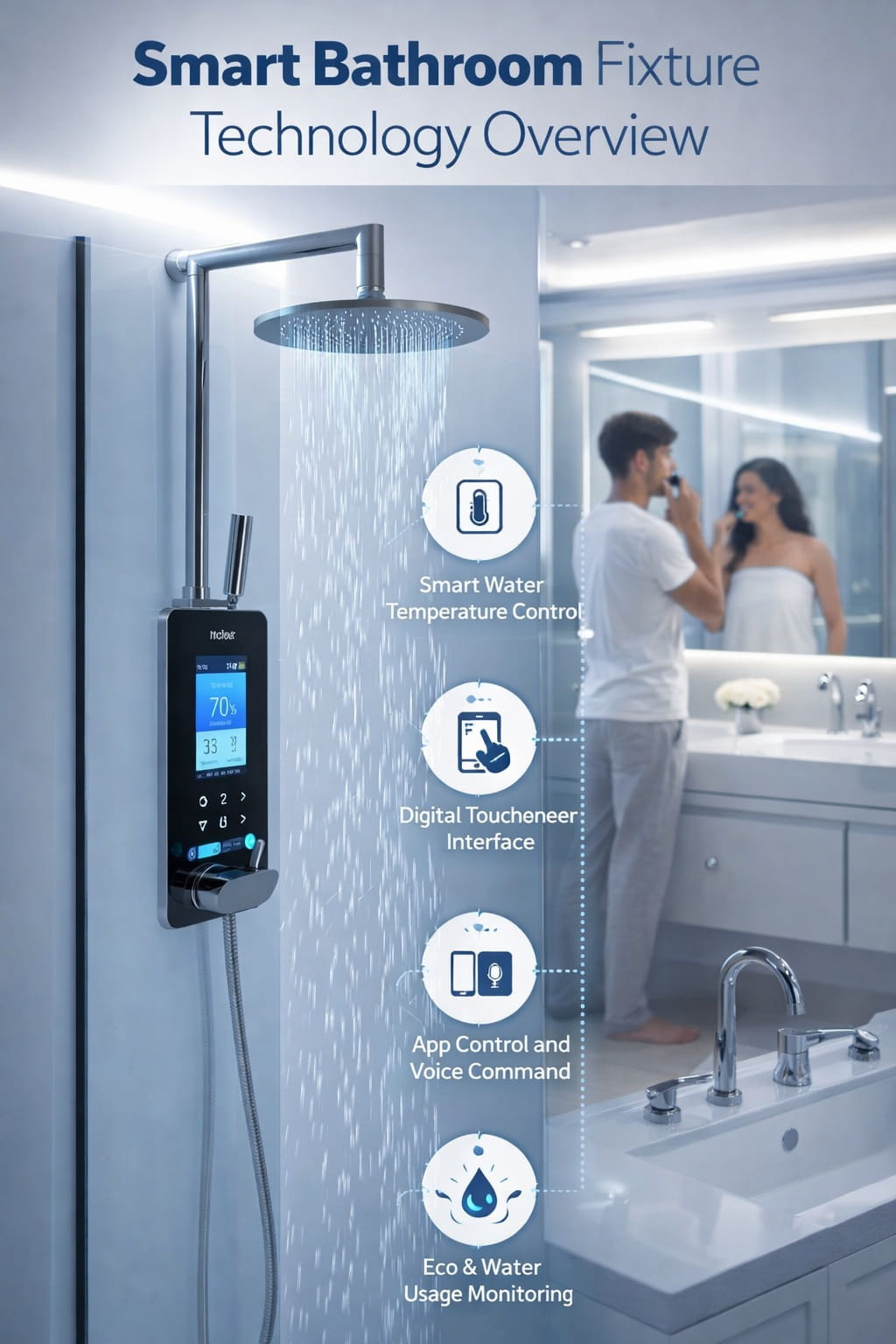
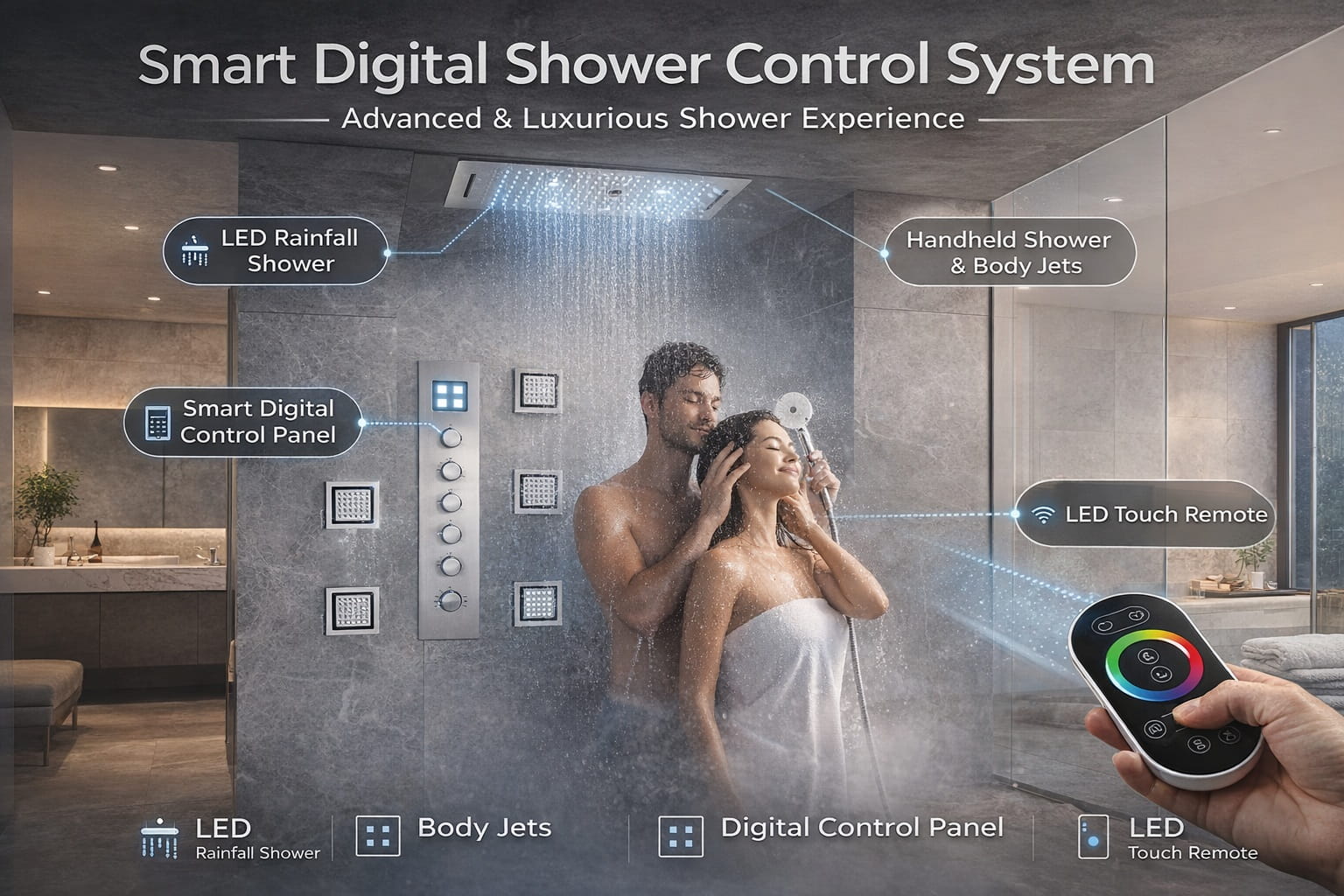
Smart bathroom systems may include digital shower control panels, programmable water temperature settings, mobile app connectivity, voice control integration, and smart toilets with automated functions.
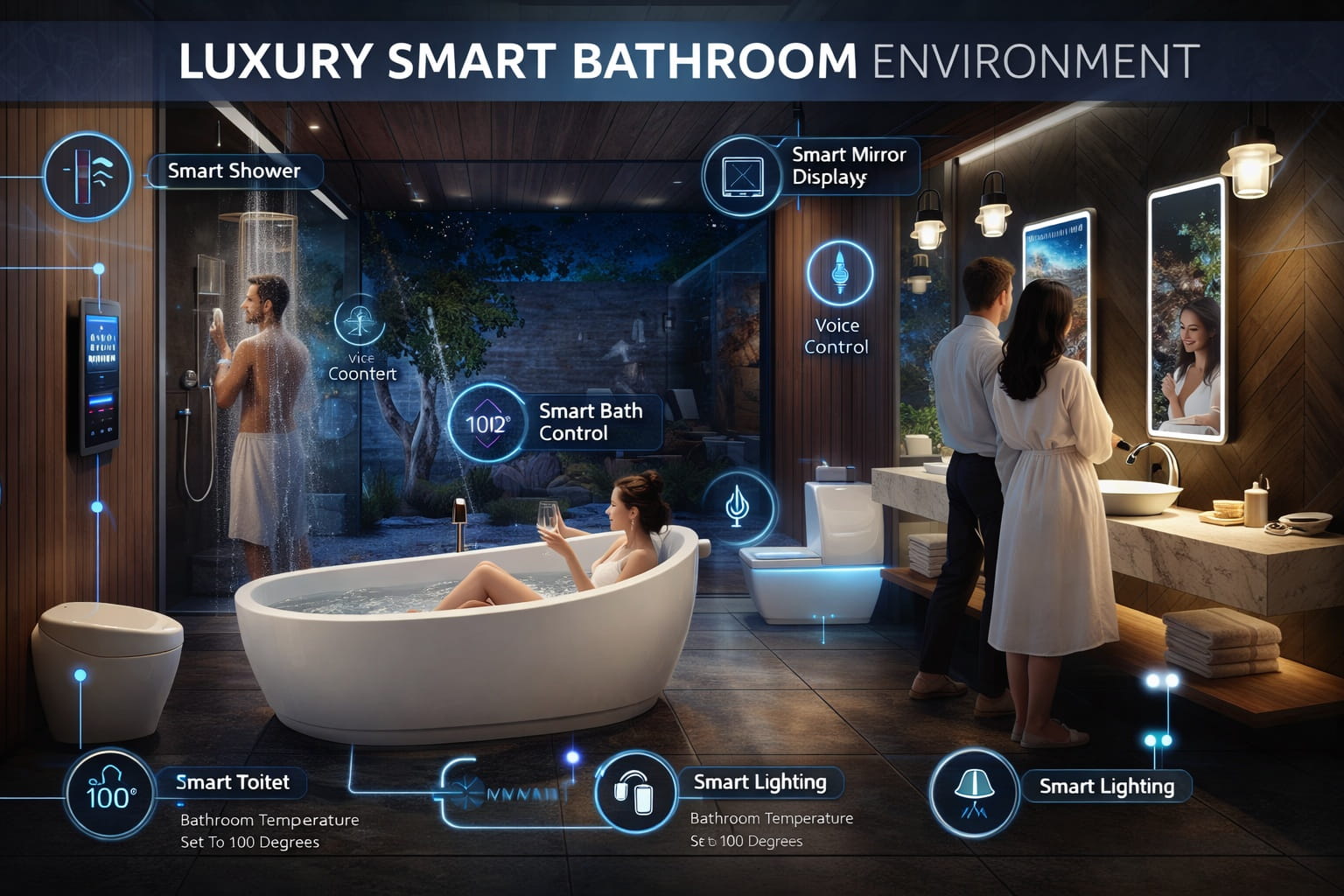
Smart shower systems allow users to precisely control water temperature, flow rate, and spray patterns.
Thermostatic Shower Technology
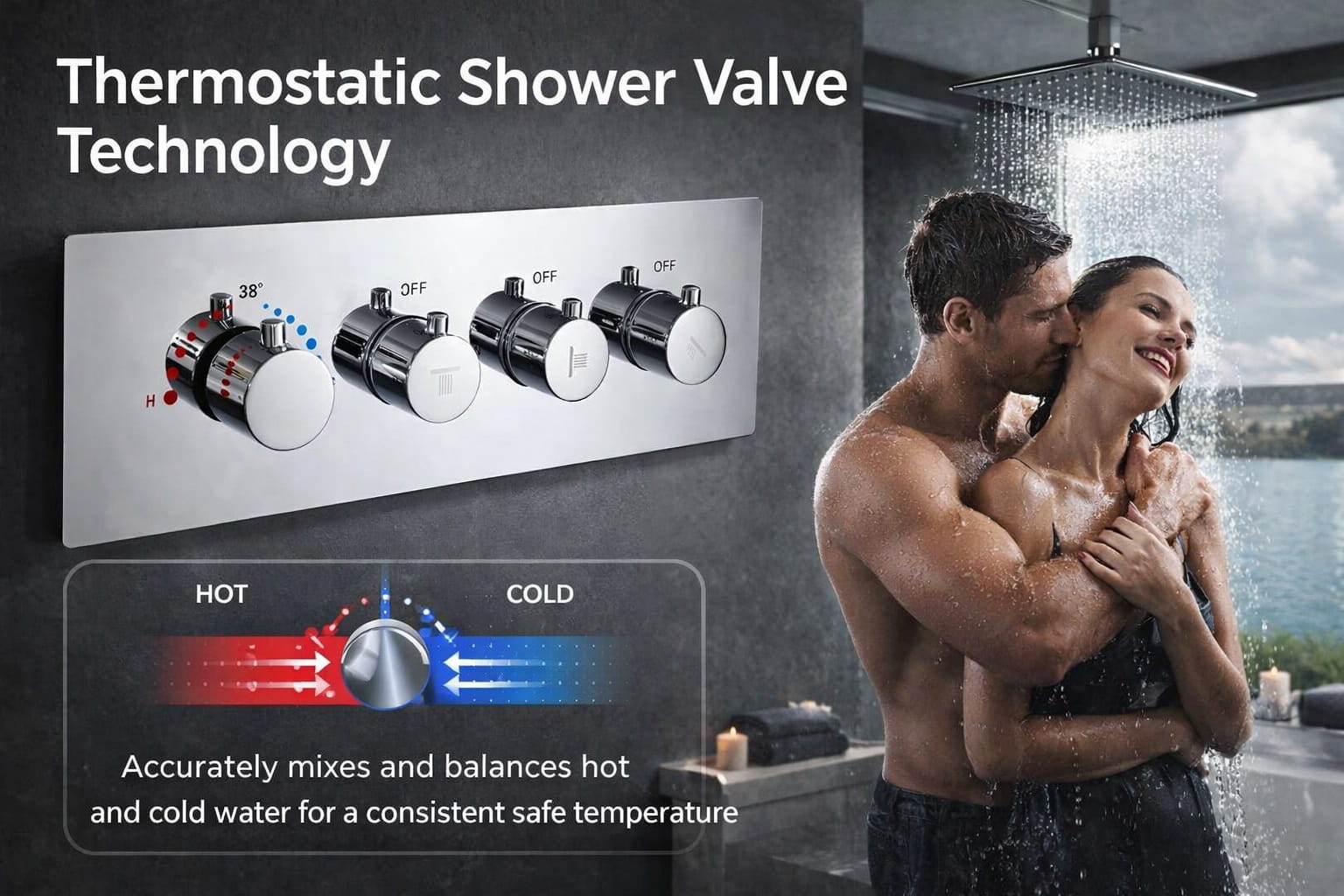
Thermostatic shower valves maintain a consistent water temperature even when water pressure fluctuates.
Key benefits include consistent temperature stability, improved safety, faster adjustment, and enhanced user comfort.
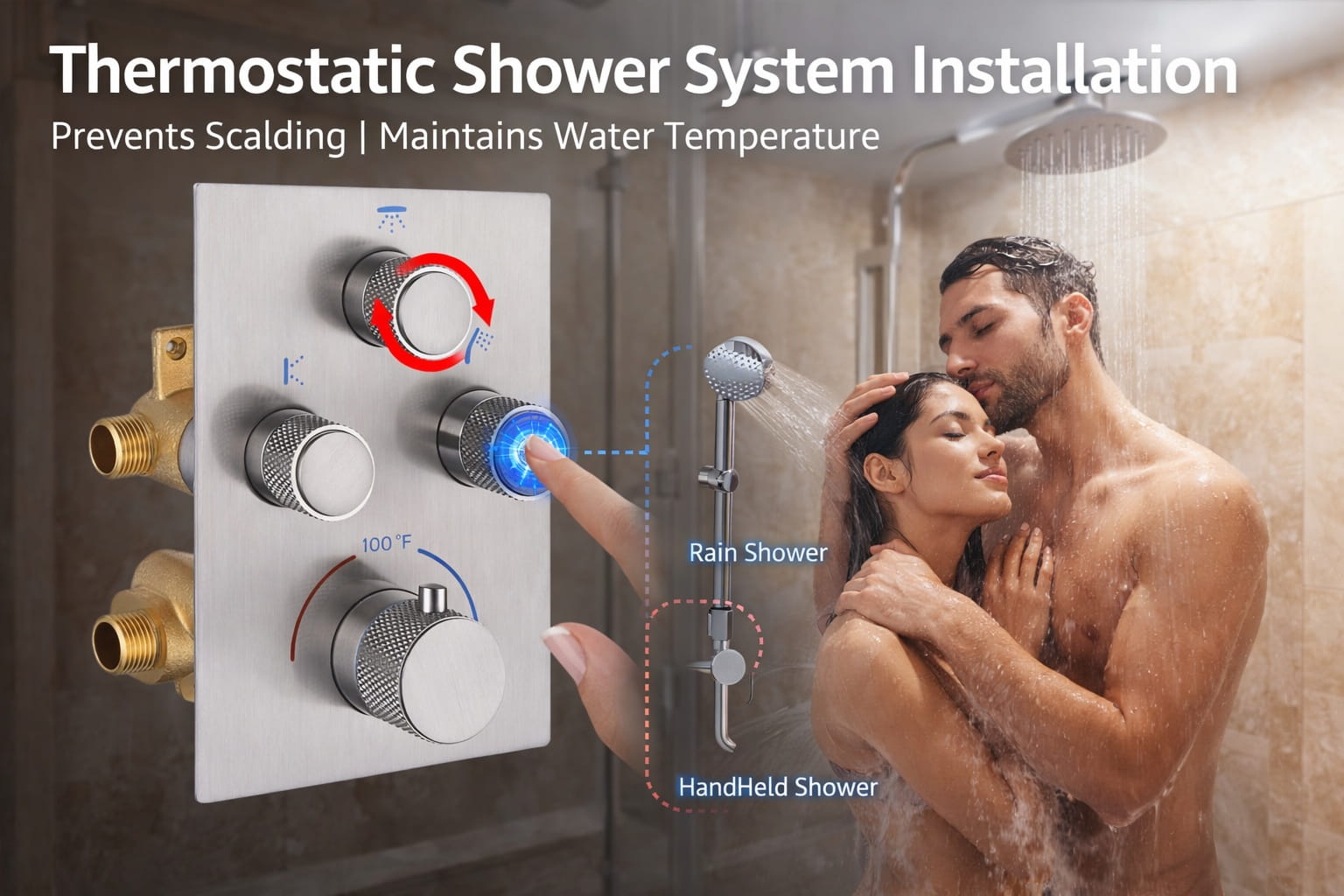
Thermostatic systems are widely used in luxury residential bathrooms, hospitality environments, and healthcare facilities.
Water Efficiency Engineering
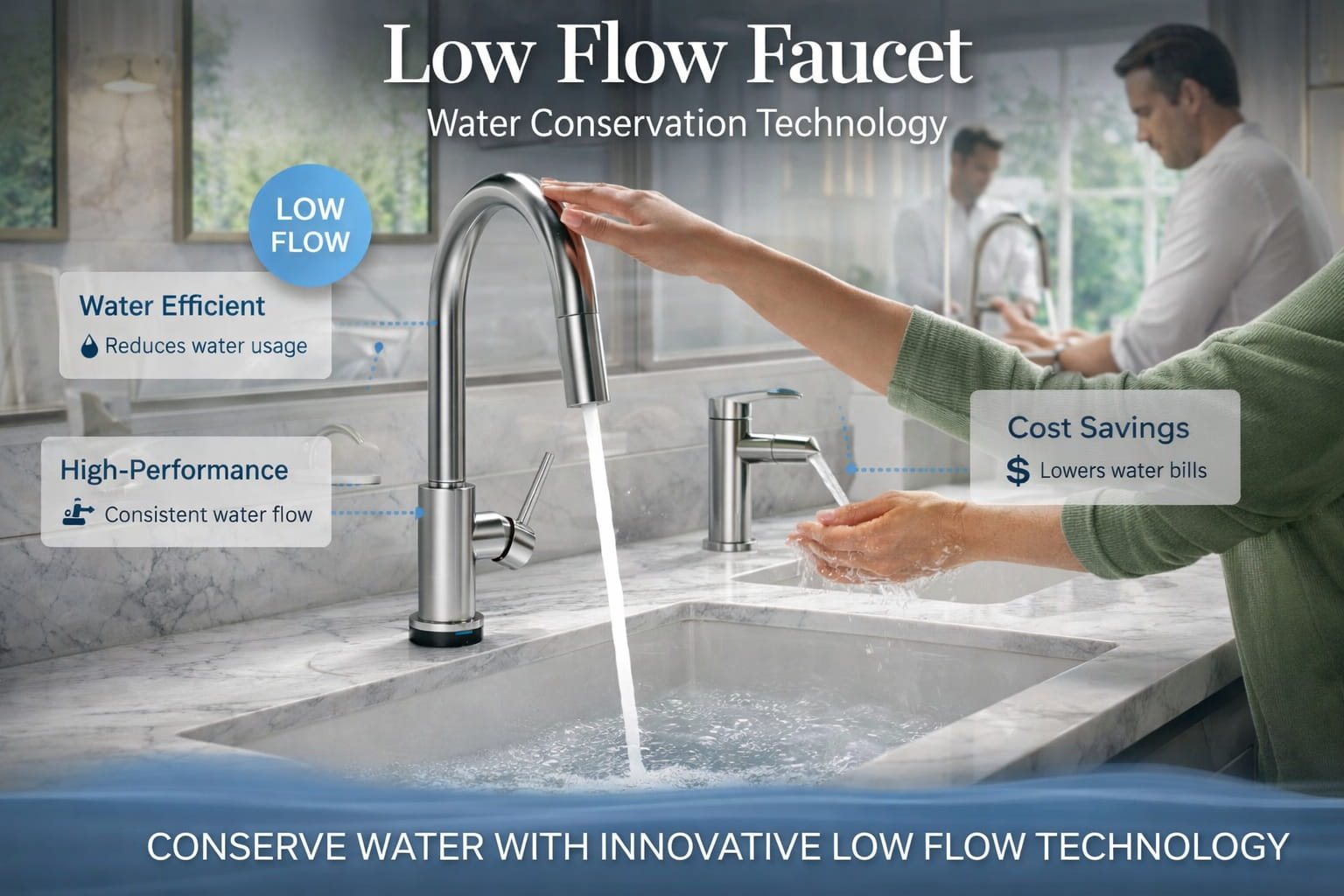
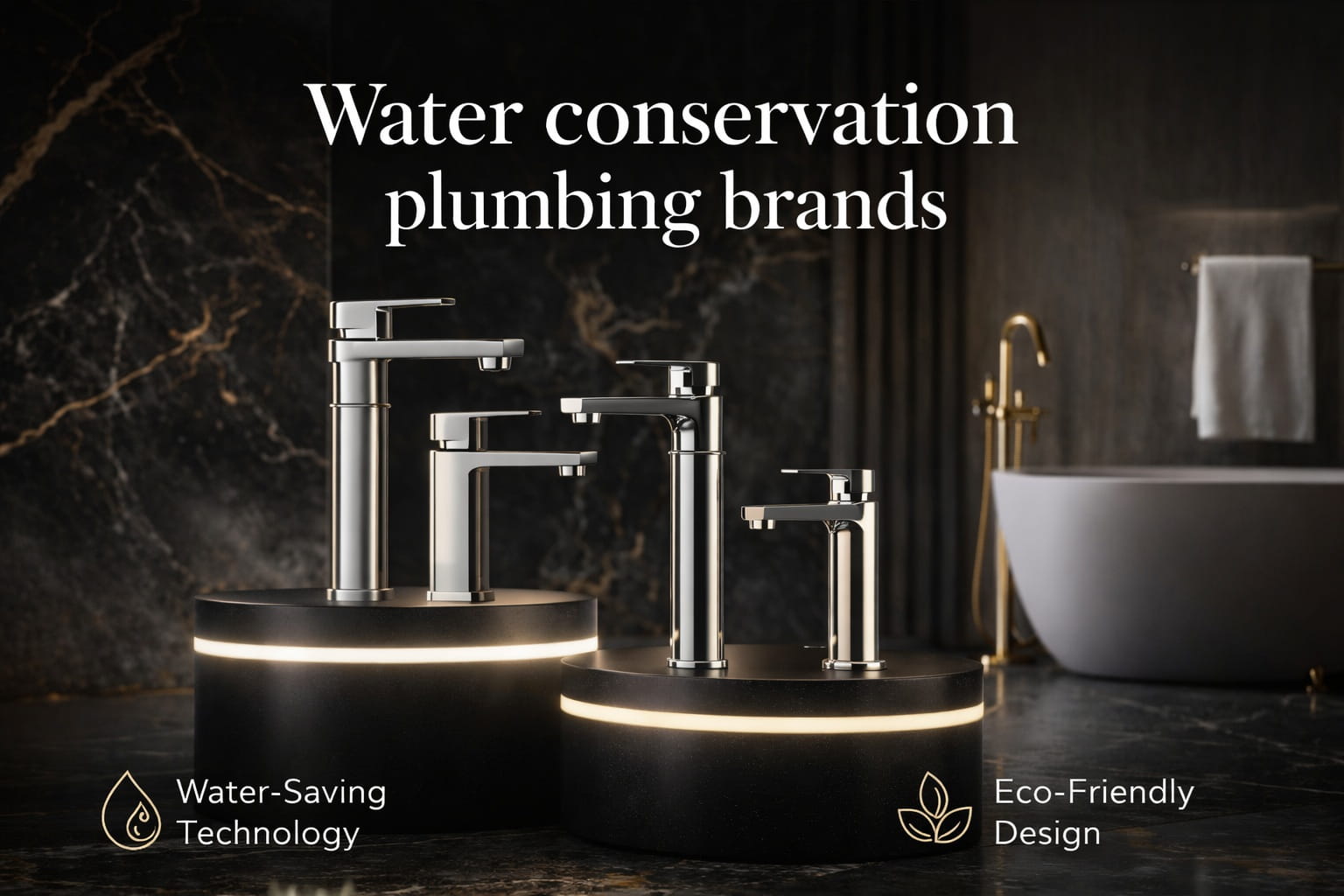
Modern fixtures incorporate engineering solutions such as aerators that mix air with water flow and flow restrictors that limit water output.
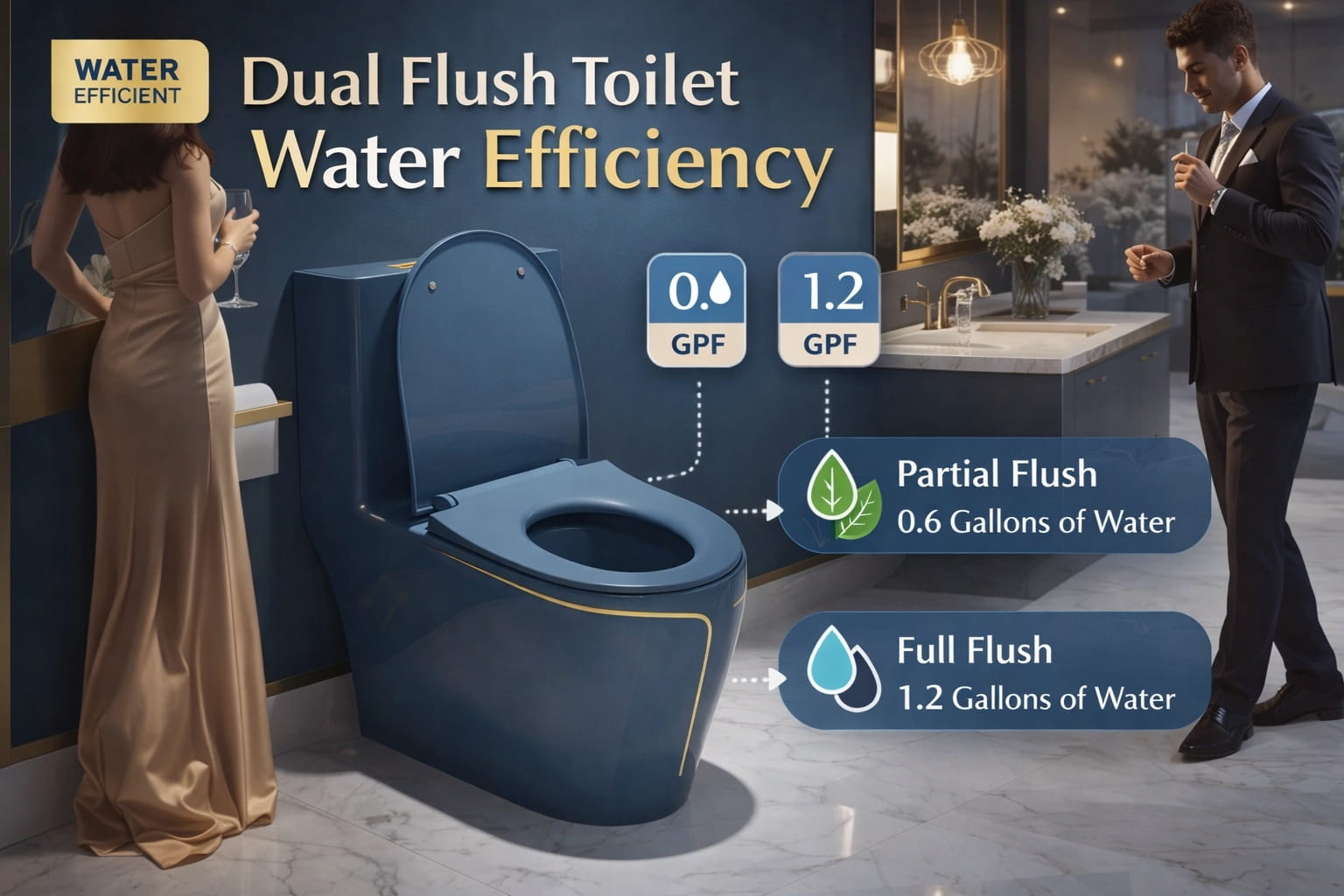
Dual-flush toilets allow users to select reduced water usage for liquid waste or higher flow for solid waste.
Antimicrobial Materials and Hygienic Surfaces

Antimicrobial materials and coatings are designed to reduce bacterial growth in high-traffic environments such as hospitals, schools, airports, and public restrooms.
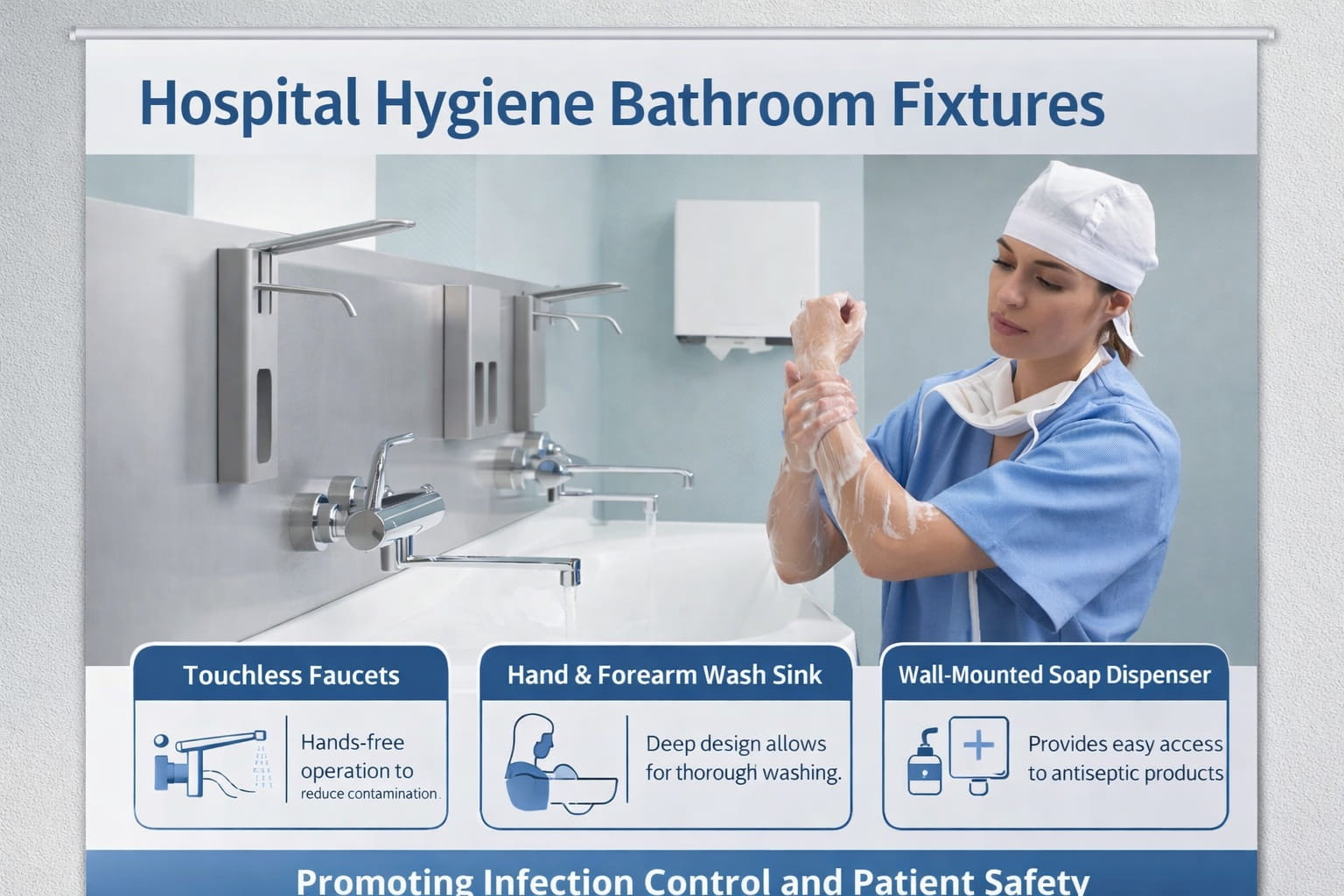
Technologies may involve copper-infused materials, silver-ion antibacterial treatments, and specialized surface coatings.
Smart Toilets and Hygiene Technology
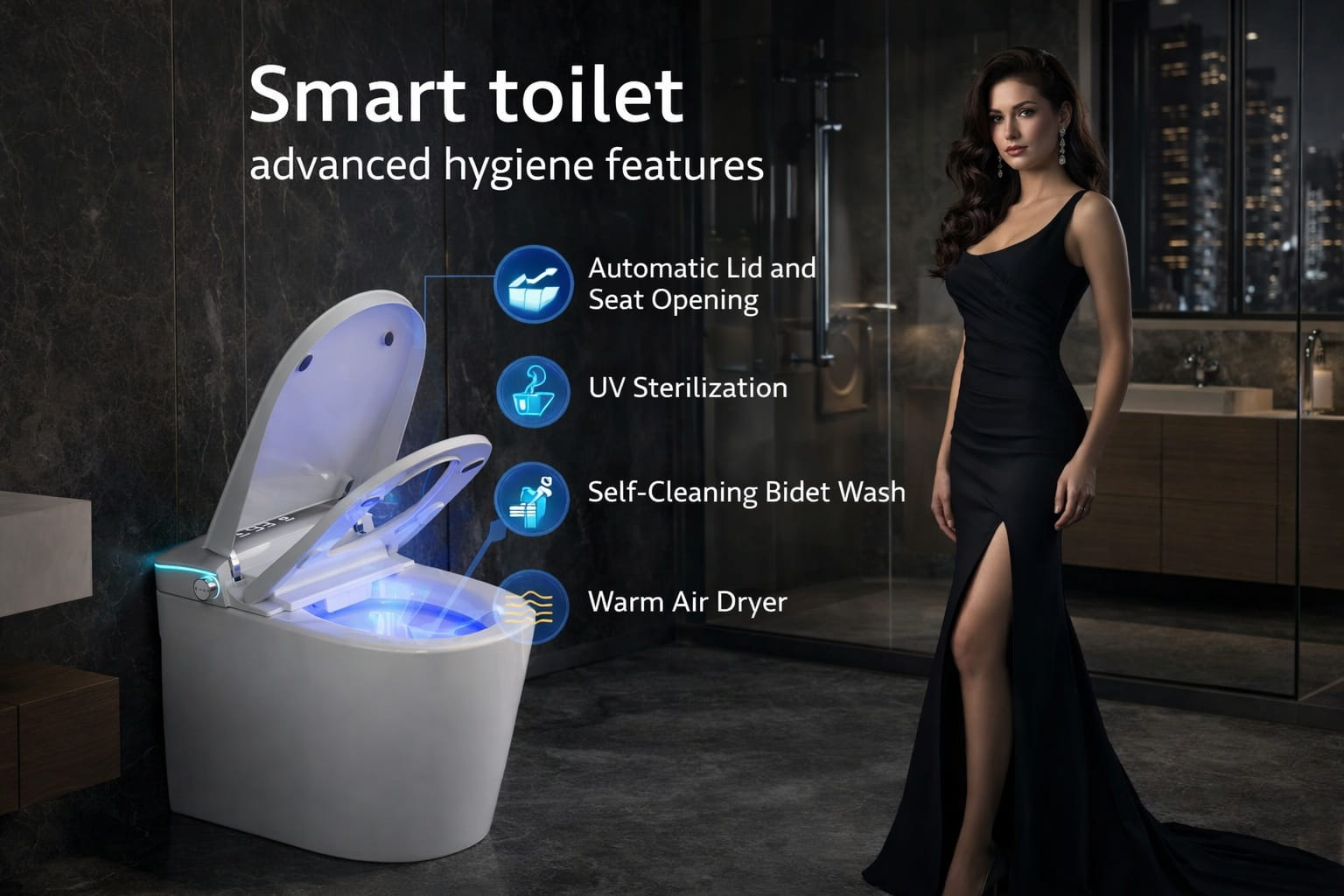
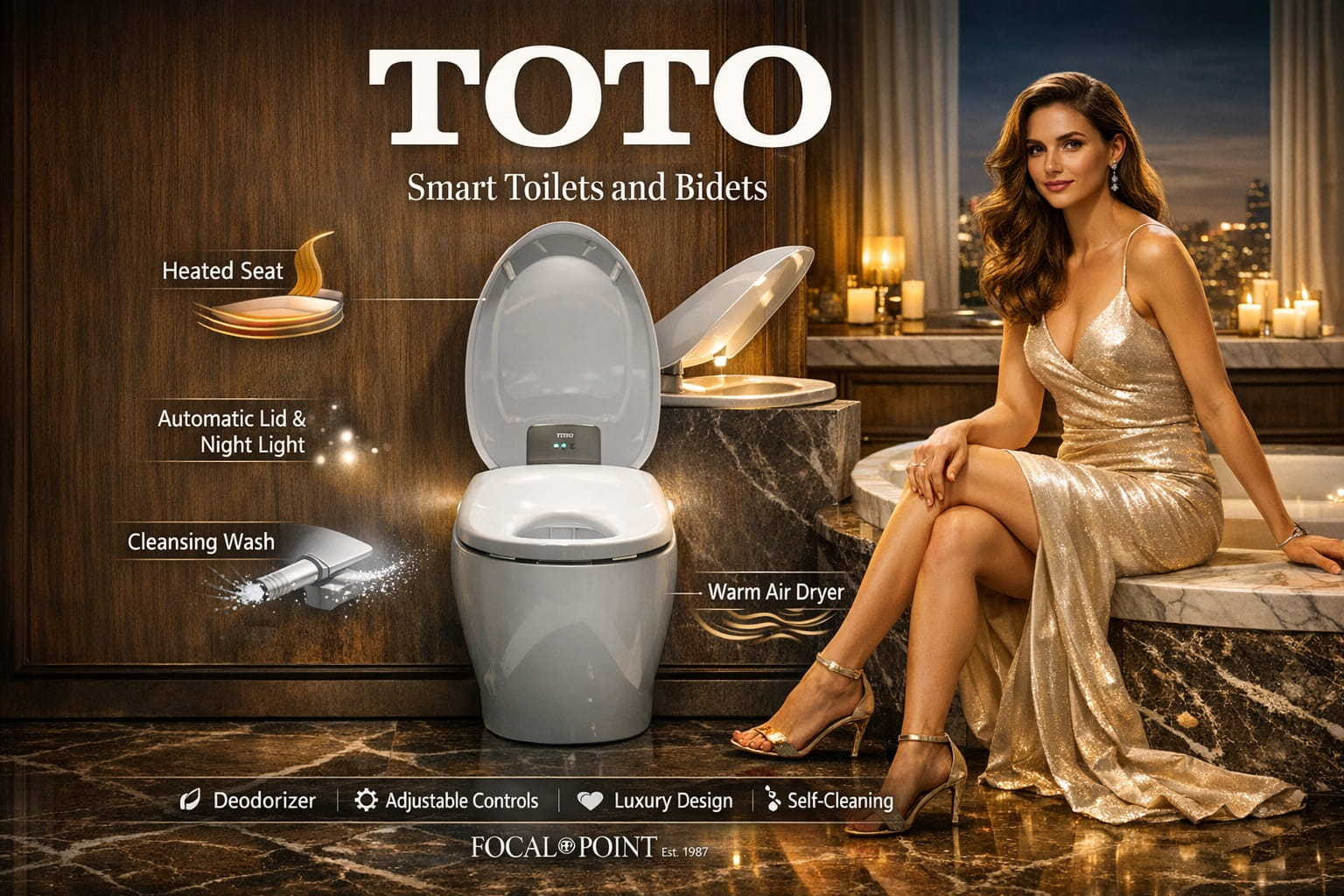
Smart toilets may include heated seats, bidet washing systems, automatic lids, self-cleaning functions, and deodorization systems.
Digital Monitoring and Building Integration
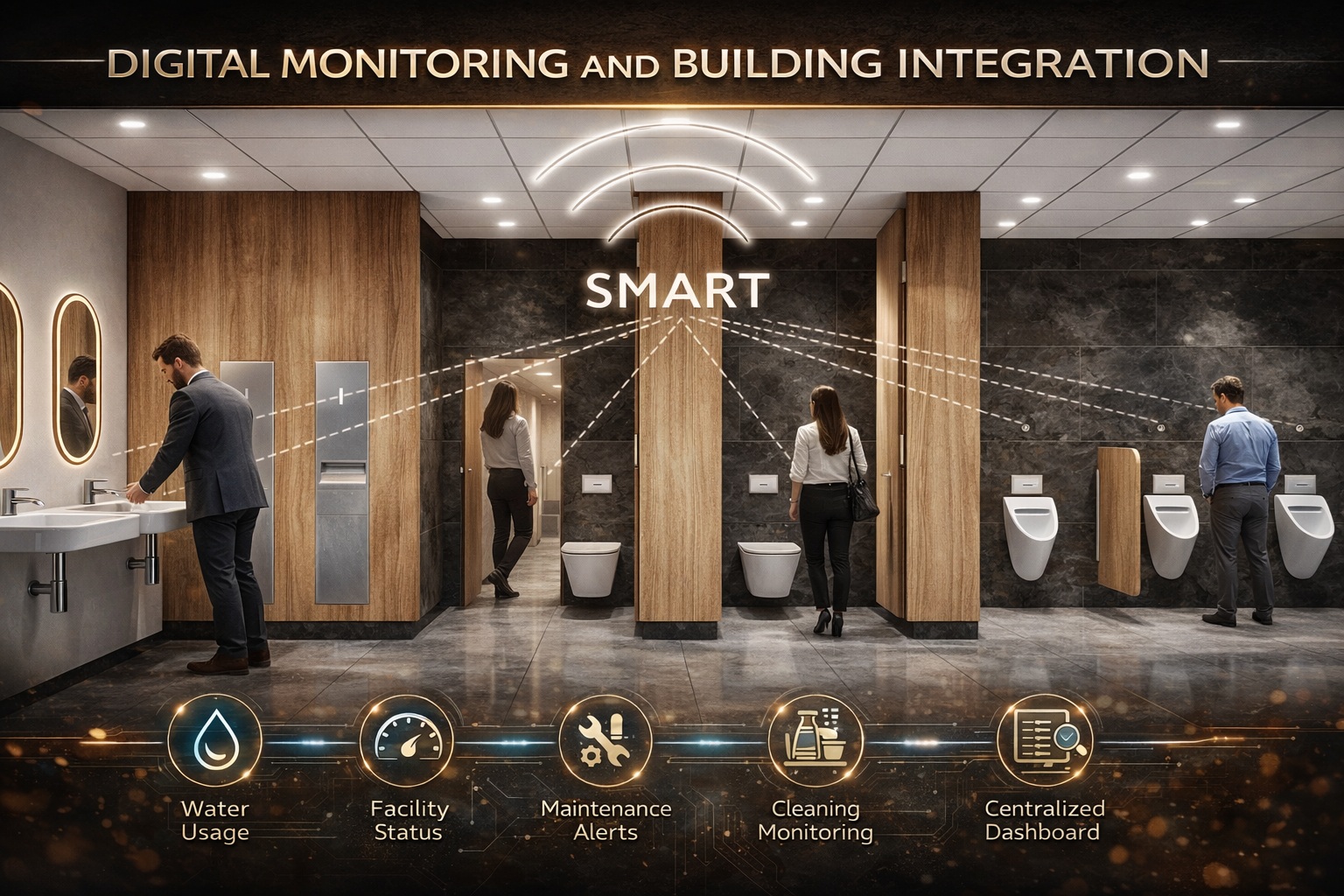
Modern bathroom fixtures are increasingly integrated with building management systems (BMS), allowing facility managers to monitor water usage, maintenance needs, fixture performance, and sensor functionality.
These technologies are especially useful in airports, hotels, stadiums, and large commercial complexes.
Emerging Trends in Bathroom Technology
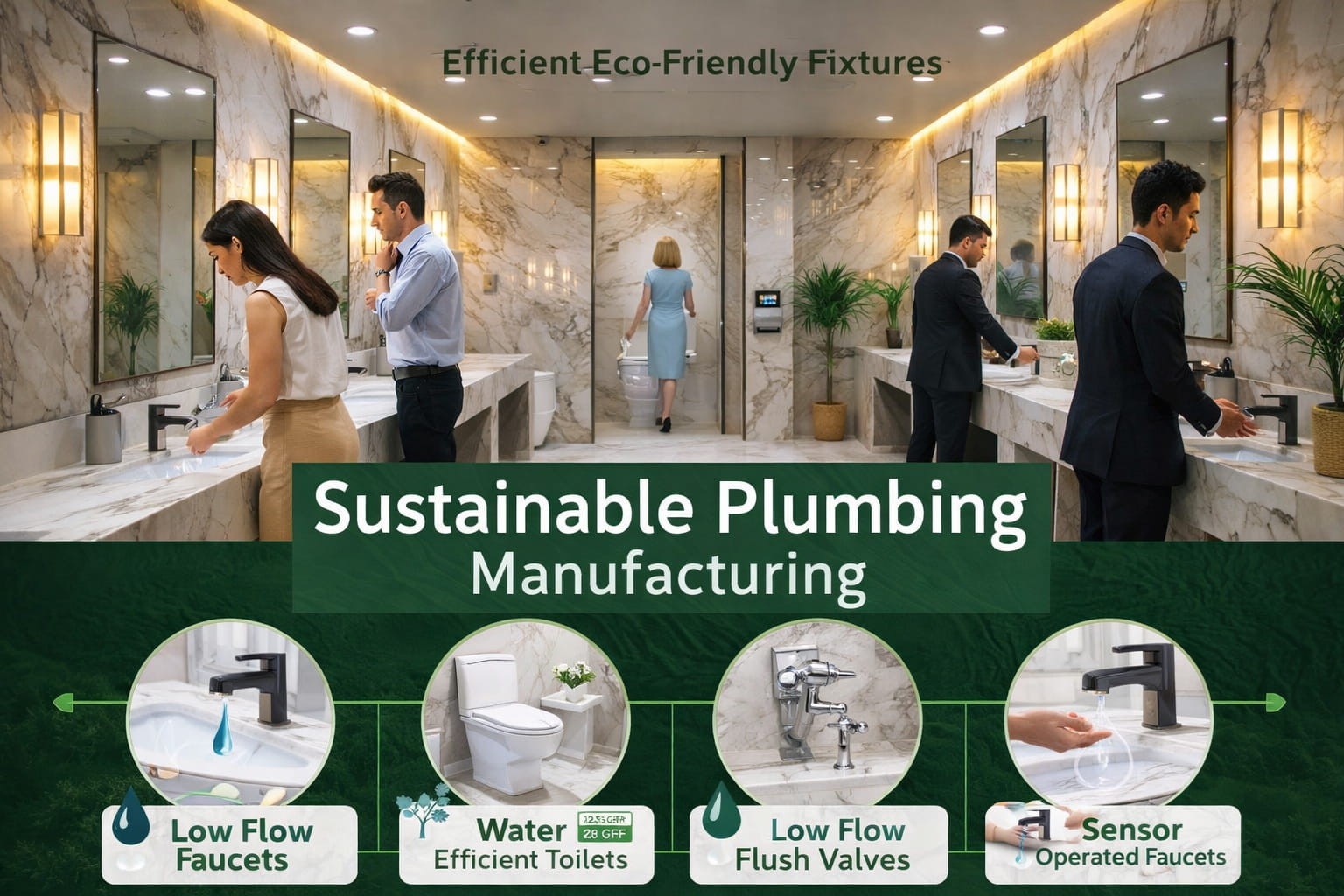
Sustainable Manufacturing
Manufacturers are increasingly using recycled metals, environmentally responsible coatings, and energy-efficient manufacturing processes.
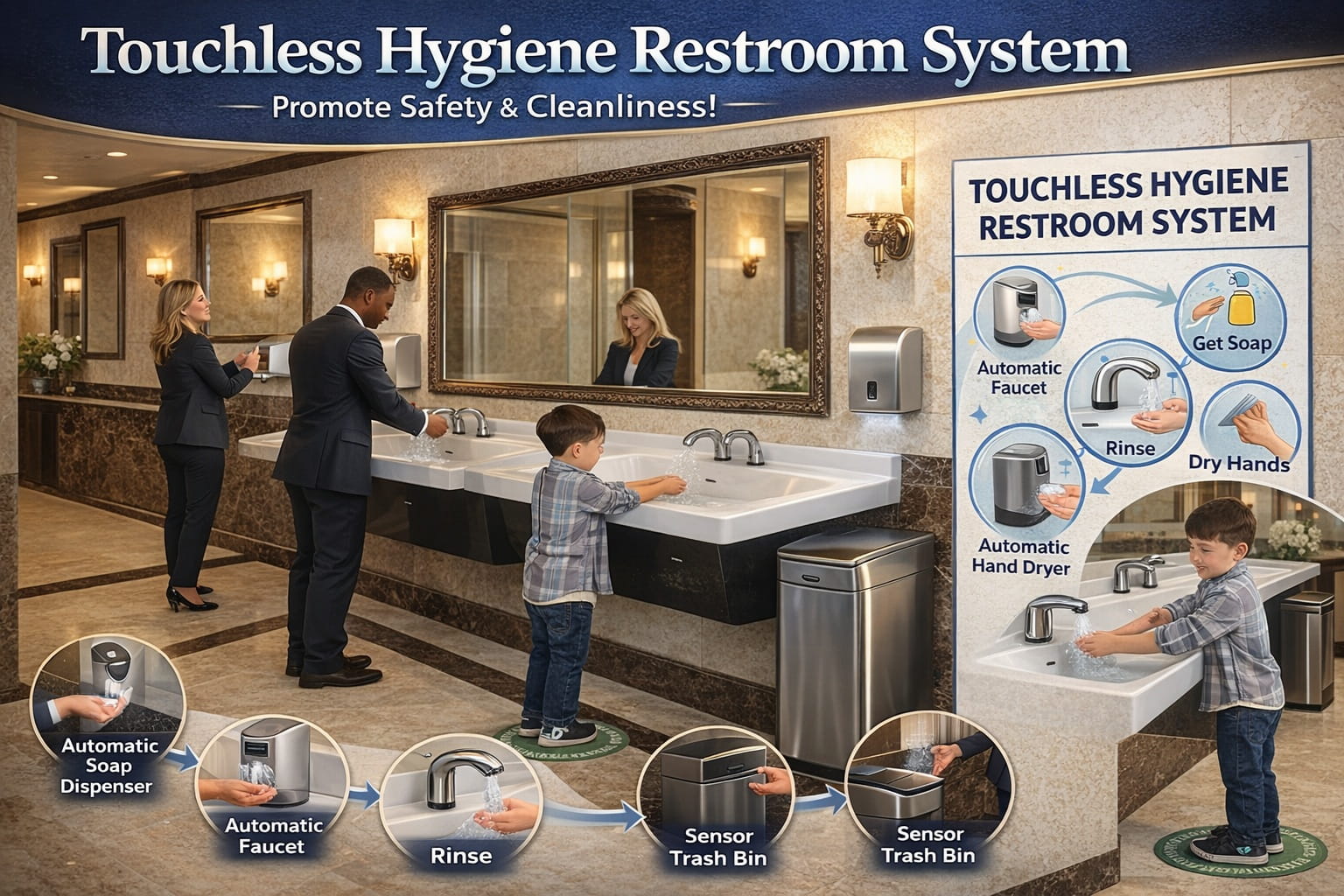
Touchless Hygiene Systems
The demand for contactless bathroom environments continues to grow in public spaces.
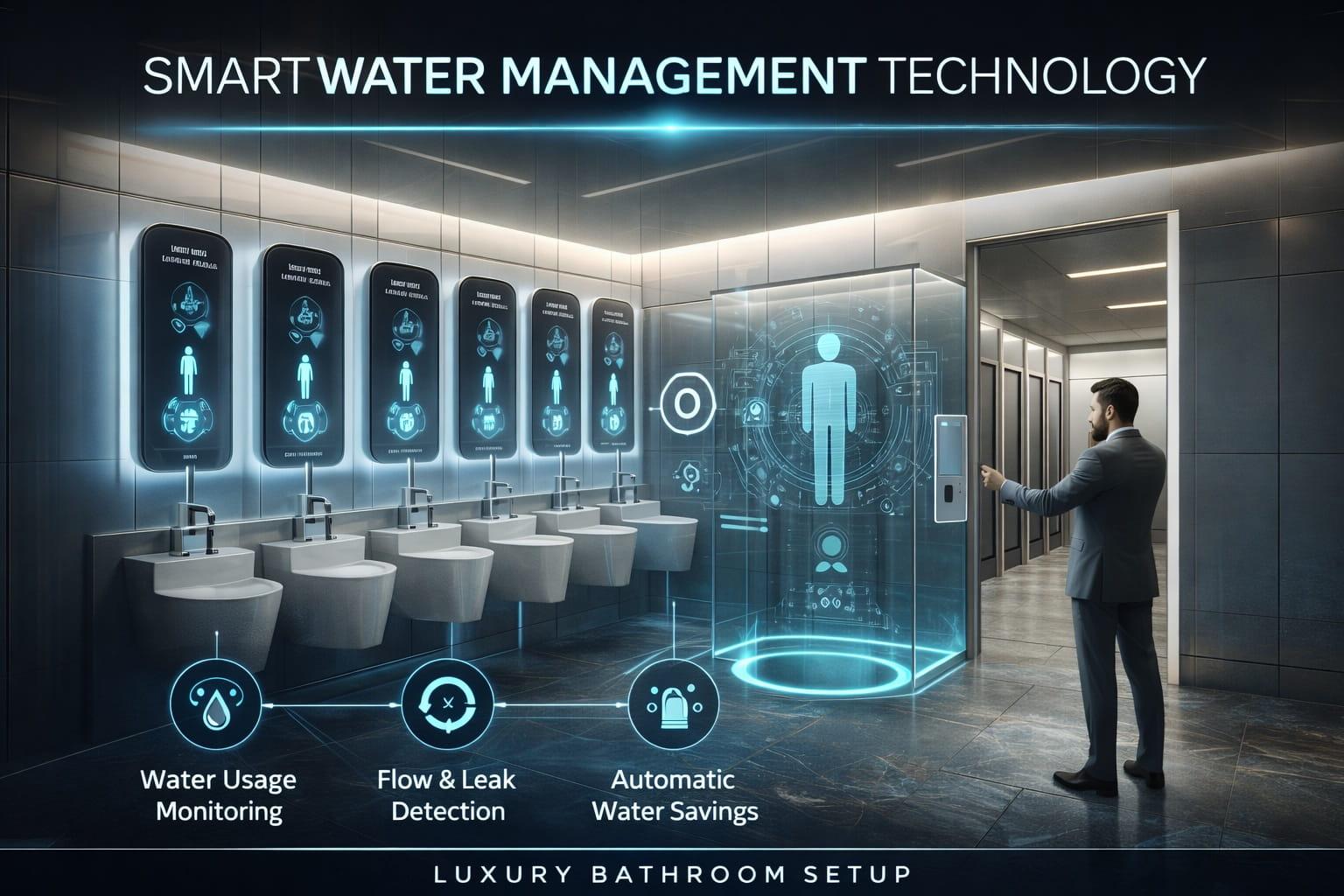
Smart Water Management
Connected plumbing systems may allow buildings to track and optimize water consumption in real time.
Research
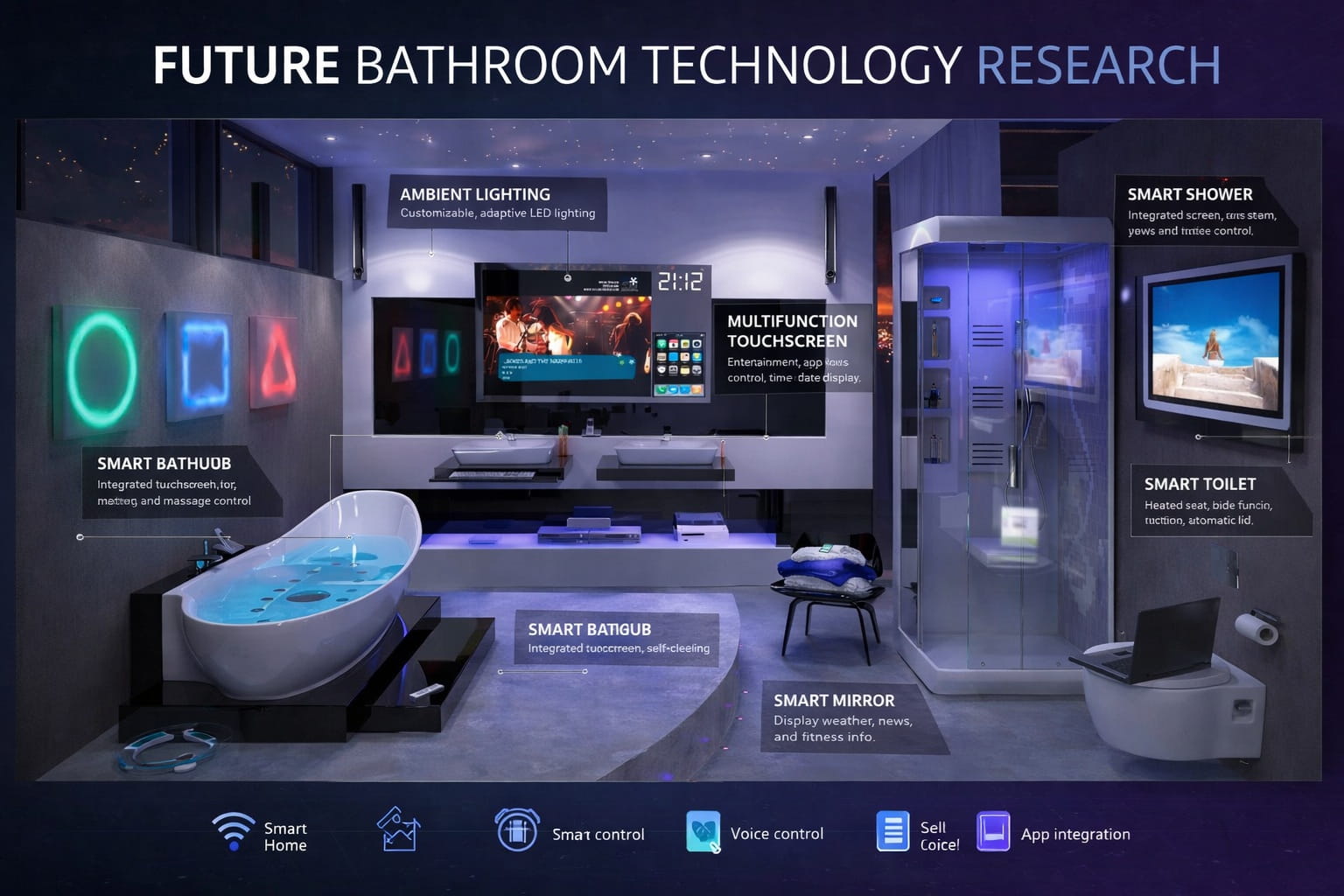
BathFixturesReviews.com will continue studying smart plumbing systems, sustainable bathroom design, sensor-driven hygiene technology, and advanced water efficiency engineering.
As new innovations enter the market, this section will serve as a technical knowledge base documenting how bathroom fixtures continue to evolve.